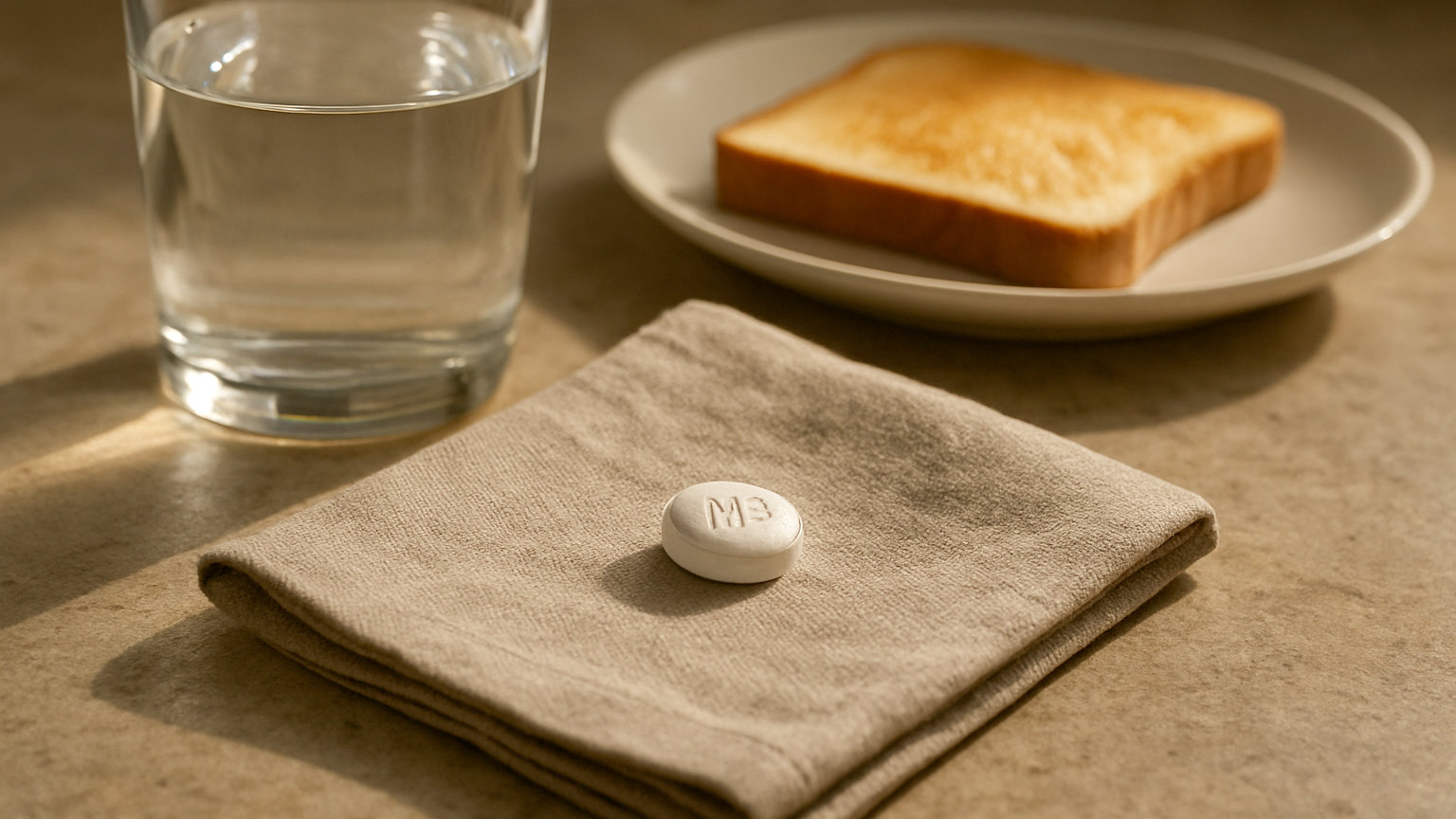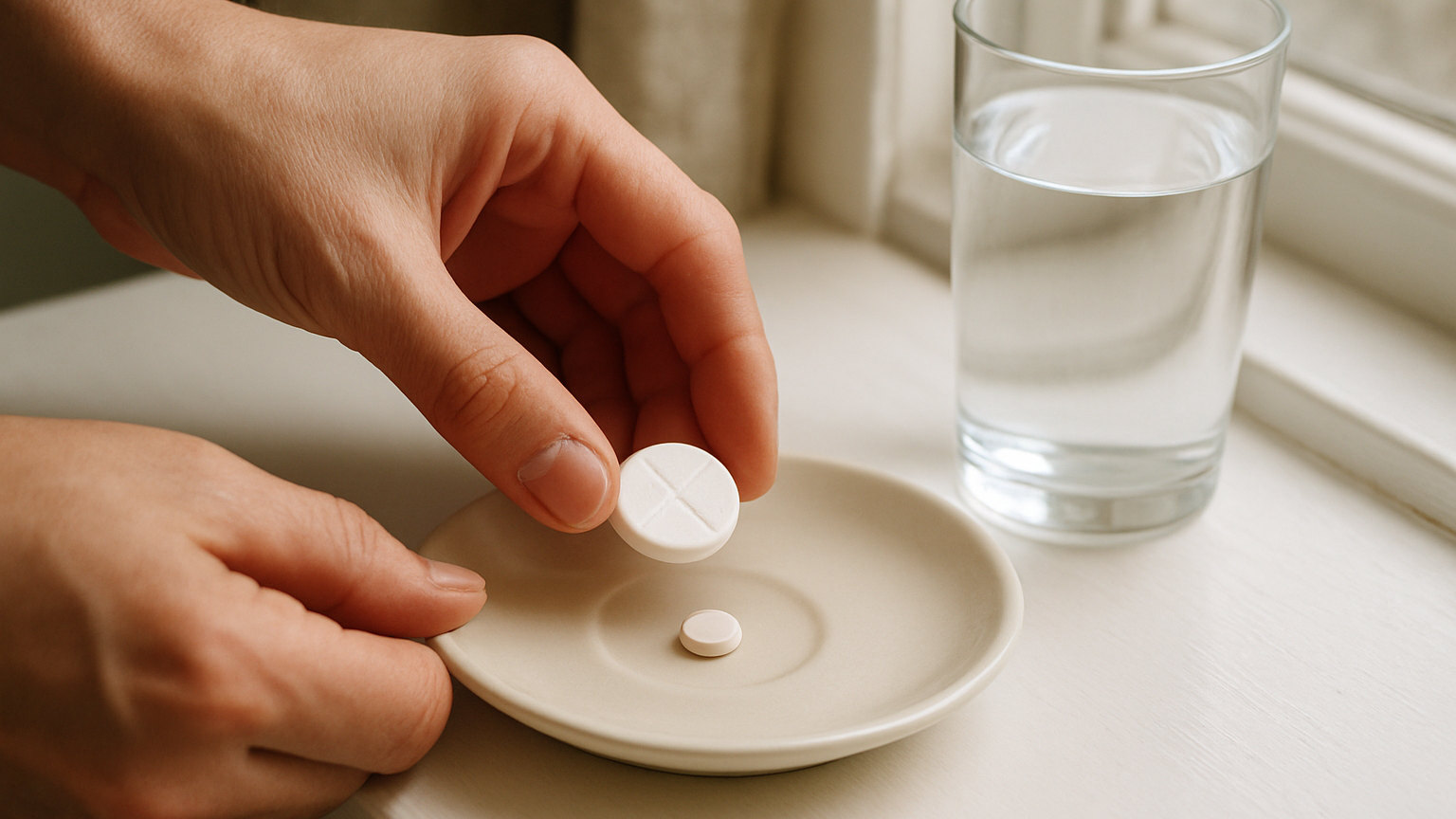
Having a stoma changes how medicines are absorbed, and the shorter the remaining bowel the bigger the difference. The clearest sign something is wrong is also the most alarming to see: a recognisable, intact tablet in the bag. That means the medicine passed through without releasing, and whatever it was meant to be doing, it did not do. It is a common problem and a solvable one.
Why absorption changes
Most medicines are absorbed in the small bowel, particularly the upper part. That is why a colostomy, which leaves the small bowel intact, usually causes little change.
An ileostomy is different. Transit is faster, and part of the small bowel may have been removed, so slow-release preparations designed to release over many hours may simply run out of bowel before they run out of drug.
The further up the small bowel the stoma sits, the more marked the effect.
Fluid and electrolyte handling changes too, which matters for any medicine affected by dehydration.
Formulations to avoid or check
Modified-release tablets - labelled MR, SR, XL, LA, CR or retard. These are the commonest culprits, and switching to an immediate-release form taken more often usually solves it.
Enteric-coated or gastro-resistant tablets, which are designed to dissolve in a particular part of the bowel that may no longer be there.
Large or hard tablets, which may not break down in time.
Preferred alternatives are liquids, dispersible and soluble tablets, orodispersible forms, capsules that dissolve readily, patches and injections - anything that either releases quickly or bypasses the gut entirely.
See what the letters after a medicine name mean and cutting and crushing tablets.
Do not simply crush a modified-release tablet as a workaround - that releases a whole day's dose at once, which with opioids and some heart medicines is dangerous. The answer is a different product, prescribed.
Check the bag
This is the practical monitoring, and it costs nothing.
If you see intact tablets or recognisable tablet shells, note which medicine and tell your pharmacist or stoma nurse.
Some capsule shells and the outer casing of certain modified-release tablets pass through by design even in people without a stoma - so the shell alone is not always a problem. A whole tablet is.
Also worth noticing if a medicine has simply stopped working as well as it used to.
High-output stomas
Where output is high, fluid and salt losses are substantial, and this is where medicines matter most.
Dehydration raises the risk from several common medicines - ACE inhibitors, ARBs, diuretics and anti-inflammatory painkillers - and the combination is a recognised route to acute kidney injury.
Magnesium and potassium are lost, and low magnesium makes low potassium impossible to correct however much is replaced.
Diuretics generally need care, since you are already losing fluid.
Ask whether you have sick day rules, and what to do when output rises.
See sick day rules, magnesium and medicines and staying hydrated.
Counter-intuitively, drinking large volumes of plain water can increase output and worsen losses - which is why oral rehydration solutions are used instead. Follow the advice your team has given rather than general advice about drinking plenty.
Medicines used to reduce output
Loperamide is used at doses considerably higher than the standard over-the-counter ones in high-output stomas, taken before meals rather than afterwards. That is a specialist decision, not something to do on your own initiative.
Codeine is sometimes used for the same purpose.
Proton pump inhibitors reduce gastric secretions and therefore output.
See loperamide and omeprazole.
Things that cause other problems
Iron turns output black and commonly causes cramping - liquid forms and alternate-day dosing are better tolerated. See iron tablets.
Antibiotics increase output and may cause soreness around the stoma from more liquid effluent.
Laxatives are rarely appropriate with an ileostomy and can cause dangerous fluid loss - check before taking anything, including over-the-counter remedies.
Medicines that discolour output - several do, and it is worth knowing so it does not cause alarm.
Skin around the stoma
Some medicines affect the peristomal skin - steroids thin it, and more liquid output irritates it.
Barrier products and a well-fitting appliance matter more than any medicine here, and a stoma nurse can review both.
Seek advice for skin that is broken, weeping or not healing, or for a change in the size or colour of the stoma.
Who to ask
Tell every prescriber that you have a stoma, and which type - it changes what is suitable, and it is frequently not on the front of the record.
Stoma nurses and pharmacists deal with these questions routinely, and a pharmacist can check each medicine on your list for a suitable formulation.
Ask at your next review rather than waiting for a problem - see medication reviews.
Appliances and accessories are prescribable, and medical exemption may apply where a permanent stoma has been formed - see medical exemption certificates.
Related reading: Sublingual and Buccal Medicines, with more on taking medicines day to day in Usage.