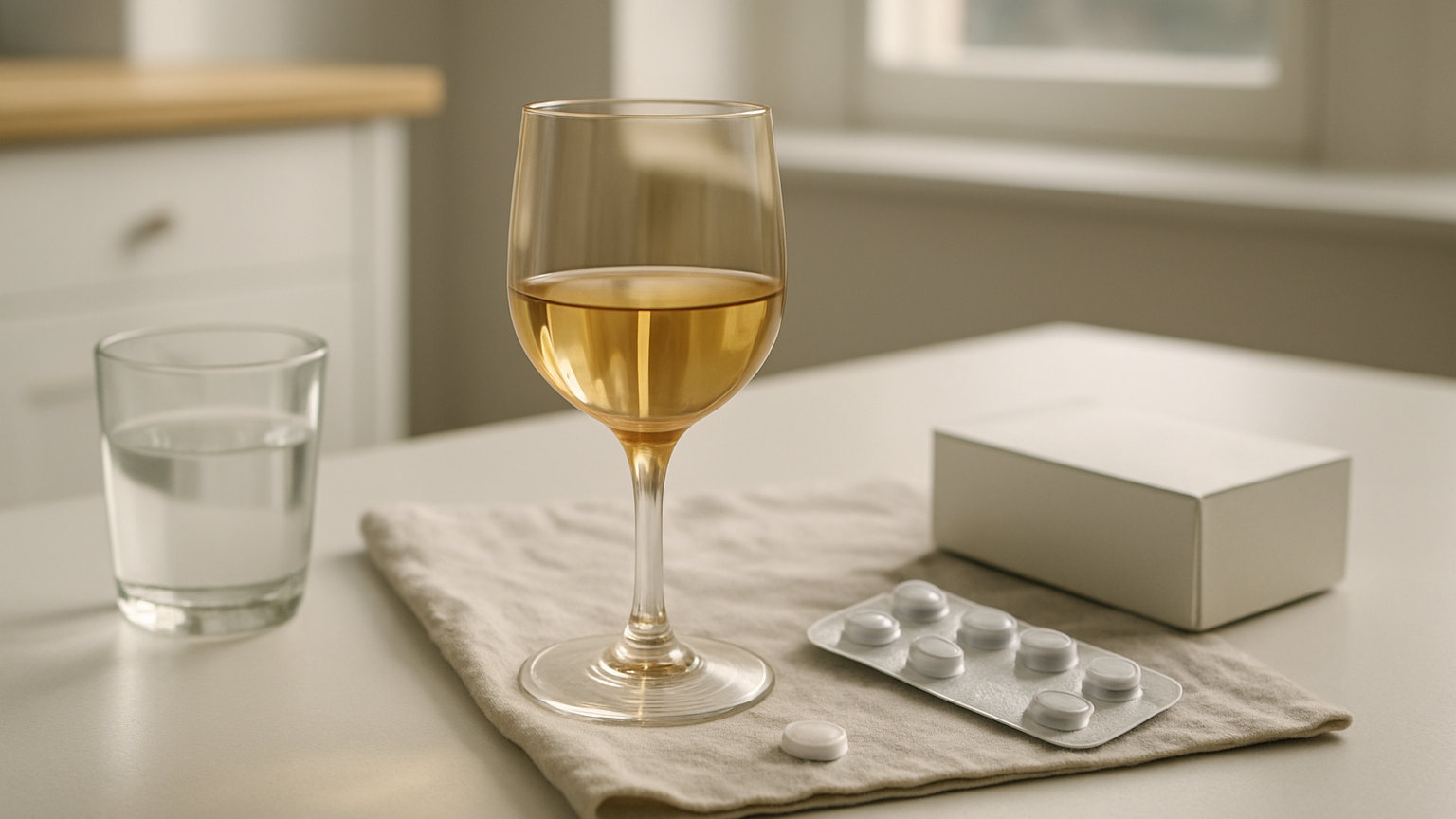
Reaching for something the morning after is close to universal, and it is one of the situations where the usual painkiller advice needs adjusting. Alcohol changes the risk profile of both common options, in different ways, and the products marketed specifically for hangovers frequently contain ingredients people are already taking. None of this is complicated once laid out.
Paracetamol and the liver
Paracetamol is broken down by the liver, with a small proportion converted into a toxic intermediate that the body normally neutralises using glutathione.
Alcohol depletes glutathione and, with regular heavy use, induces the enzyme producing that intermediate - so the margin narrows.
For someone who has had a heavy night, an occasional standard dose of paracetamol is not generally considered dangerous. The real risk lies in regular heavy drinking, in malnutrition, and in exceeding the daily maximum.
The maximum is also lower for people under about fifty kilograms, for those who are malnourished, and for those with liver disease or who drink heavily.
Paracetamol overdose produces no symptoms at first, which is what makes this matter.
See paracetamol.
Ibuprofen and the stomach
The other obvious choice carries a different risk.
Alcohol irritates the stomach lining, and anti-inflammatory painkillers impair the prostaglandins that maintain and repair it. Together they raise the risk of gastritis and bleeding.
Alcohol also causes dehydration, and anti-inflammatories reduce kidney blood flow - a combination worth avoiding if you are already dry.
So the honest position is that neither option is ideal, and the safest approach is a standard dose of paracetamol with food and plenty of fluid, avoiding anti-inflammatories if you have any history of ulcers, reflux or kidney problems.
See naproxen and medicines that make you bleed more easily.
Check what is already in things
The commonest way to exceed the paracetamol maximum is not taking too many paracetamol tablets.
It is taking paracetamol alongside a cold remedy, a hangover product, a migraine preparation or co-codamol - all of which contain it under names that do not mention it.
Read the ingredients panel, not the brand name.
Effervescent and soluble products also contain a considerable amount of sodium, which matters if you have high blood pressure or heart failure.
See combination tablets.
If you take regular medicines
Several become more of a problem alongside alcohol and dehydration.
Lithium - dehydration raises levels towards toxicity. Seek urgent help for coarse tremor, unsteadiness, slurred speech, vomiting or confusion.
ACE inhibitors, ARBs and diuretics - the combination with an anti-inflammatory while dehydrated is a recognised route to acute kidney injury.
Metformin and SGLT2 inhibitors - paused during significant dehydration.
Insulin and sulfonylureas - alcohol suppresses the liver's release of glucose, so hypoglycaemia after drinking is common, delayed and sometimes severe. Glucagon works poorly in that situation, which is worth knowing.
Anticoagulants - falls and head injuries after drinking matter more.
What actually helps
Fluid. Alcohol is a diuretic, and much of a hangover is dehydration. Water, or an oral rehydration solution, which replaces salts as well.
Food, particularly carbohydrate, since blood sugar drops.
Sleep, which alcohol fragments even when it shortens the time to fall asleep.
Time. Alcohol is cleared at roughly a unit an hour, and nothing speeds that up.
Evidence for the various supplements and proprietary remedies is weak. Coffee helps alertness and adds to dehydration. "Hair of the dog" defers the problem rather than solving it.
The things that are not a hangover
Seek urgent help for repeated vomiting with abdominal pain, vomiting blood or material like coffee grounds, black tarry stools, chest pain, confusion, or a severe headache unlike your usual.
Call 999 for someone who cannot be roused, is breathing slowly or noisily, is cold or blue-tinged, or has had a seizure. Put them in the recovery position and stay with them.
Never assume someone is simply drunk - a head injury, low blood sugar and alcohol poisoning all look similar.
If the mornings after are frequent
Regular heavy drinking alongside regular medicines is worth mentioning, and it changes advice rather than provoking disapproval.
Prescribers assume people drink more than they say, and people say less than they drink - which produces poor advice in both directions.
Local alcohol services accept self-referral, are free and confidential, and do not require you to have decided to stop.
Do not stop drinking abruptly if you are dependent - withdrawal can cause seizures and needs support.
See medicines and alcohol and alcohol and mental health medicines.
See also Hidden Alcohol in Medicines, and the Usage section for more on taking medicines day to day.