
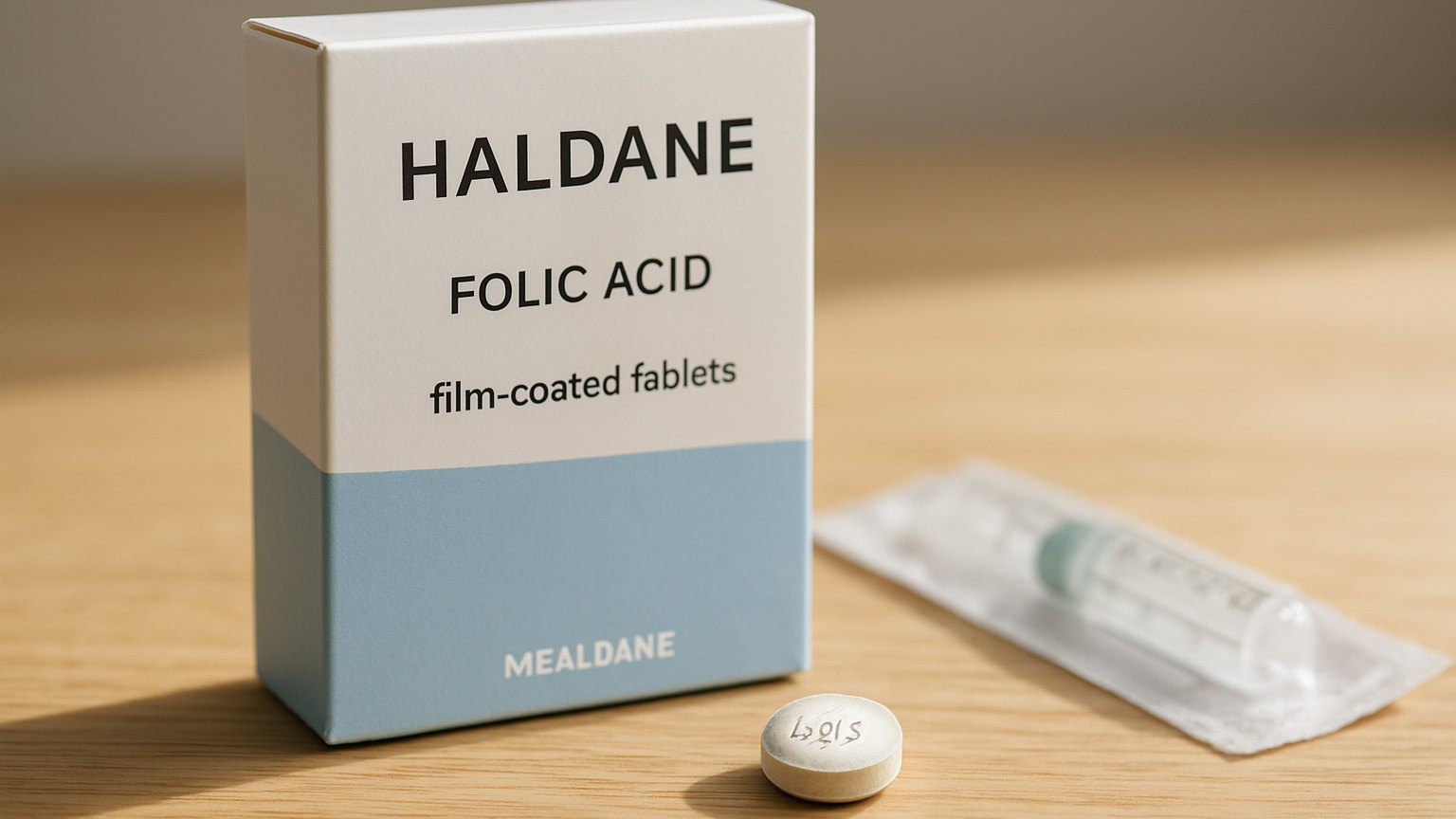
Folic acid is a synthetic form of folate, a B vitamin the body needs to make DNA and to divide cells. Its best-known use is preventing neural tube defects such as spina bifida - and the critical point is the timing. The neural tube closes within the first four weeks of pregnancy, frequently before anyone has missed a period. Starting folic acid when a test comes back positive is already too late for the thing it prevents.
Follow the instructions on your label. This guide contains no doses.
When to start
Advice in the UK is to take it from before you conceive - ideally when you stop contraception or start trying - and to continue through the first twelve weeks of pregnancy.
Because a large proportion of pregnancies are unplanned, some guidance extends that to anyone who could become pregnant. It is inexpensive, available without prescription, and has essentially no downside.
Food fortification helps but is not sufficient on its own in the UK. Folate occurs naturally in green vegetables, pulses and liver - though liver is avoided in pregnancy because of its vitamin A content.
Who needs a higher dose
Most people take the standard dose. A substantially higher dose, available on prescription, is recommended where the risk of neural tube defect is greater:
- a previous pregnancy affected by a neural tube defect
- a family history of neural tube defects, in either partner
- diabetes - see diabetes in pregnancy
- taking anti-epileptic medicines
- coeliac disease or other conditions affecting absorption
- sickle cell disease or thalassaemia
- a high BMI
If any of these apply to you, ask before you start trying rather than assuming the shelf product is right. The difference between the two doses is large, and the higher one needs prescribing.
Its other uses
With methotrexate. Folic acid is prescribed alongside methotrexate to reduce side effects - mouth ulcers, nausea, hair thinning - without blocking the treatment. It is taken on different days from the methotrexate, and that separation matters. Our guide to DMARDs covers the weekly dosing that must not be confused.
Folate deficiency anaemia, where red cells become abnormally large. Causes include poor diet, alcohol, coeliac disease and some medicines.
Alongside some other treatments that interfere with folate metabolism.
The B12 problem
This is the one genuine caution, and it matters.
Folic acid corrects the anaemia caused by vitamin B12 deficiency without correcting the B12 deficiency itself. The blood count improves, everyone is reassured, and the nerve damage that B12 deficiency causes continues - sometimes to the point of becoming irreversible.
So B12 should be checked before treating a large-cell anaemia with folic acid. Anyone at risk of low B12 deserves particular attention: vegans, people who have had bowel surgery, older people, and those on long-term metformin or acid-reducing medicines. See metformin and omeprazole.
Report tingling or numbness in the hands or feet, unsteadiness, or memory problems rather than assuming an improving blood count means the problem is solved.
Medicines that interfere with folate
Several anti-epileptic medicines lower folate, which is one reason the higher dose is recommended for women taking them before conception - see valproate and carbamazepine.
Trimethoprim, methotrexate and sulfasalazine all affect folate metabolism. Alcohol reduces absorption and is a common contributor to deficiency.
Folic acid can also reduce phenytoin levels, so anyone on it needs the change known about rather than made quietly.
Side effects
Folic acid is very well tolerated. Nausea, loss of appetite, bloating and wind occur occasionally.
Allergic reactions are rare. Seek urgent help for swelling of the lips, tongue or throat, or difficulty breathing - see anaphylaxis.
Men and folic acid
The pregnancy advice is aimed at the person carrying the pregnancy, and there is no routine recommendation for men to supplement before conception.
Men do need folate, and deficiency is treated the same way when it occurs - most often from alcohol, malabsorption or medicines rather than diet. Our guide to iron tablets covers the related point that a large-cell anaemia and a small-cell anaemia mean different things and need different treatment.
Folic acid or folate?
Folate is the form in food; folic acid is the synthetic form used in supplements and fortification, and it is better absorbed. Methylfolate is another form marketed as superior for people with a common genetic variant affecting folate processing.
UK guidance continues to recommend folic acid, which is what the evidence for preventing neural tube defects is built on. Expensive alternatives are not necessary for most people - and if you are considering one because of a genetic test result, that is worth discussing rather than deciding from a supplement website.
Our guide to supplements that interfere with your medicines covers the wider principle that being sold freely says nothing about being inert.
If this was useful, Alendronate: How to Take It Safely is worth reading next, and Medicines collects the rest.


