Memory problems change what safe medicine storage means. The instinct is to add reminders and leave everything within reach so the person stays independent. In practice the commonest harm is not the missed dose but the repeated one - a tablet taken, forgotten, and taken again - and the most effective measure is usually to move the bulk of the supply somewhere it cannot be reached while keeping today's dose accessible.
Separate today from the rest
The principle that does most of the work.
Keep only the current day's medicines where the person can get them, and everything else locked away or held by a carer.
That preserves as much independence as possible while limiting the consequence of a repeated dose to one extra tablet rather than a week's supply.
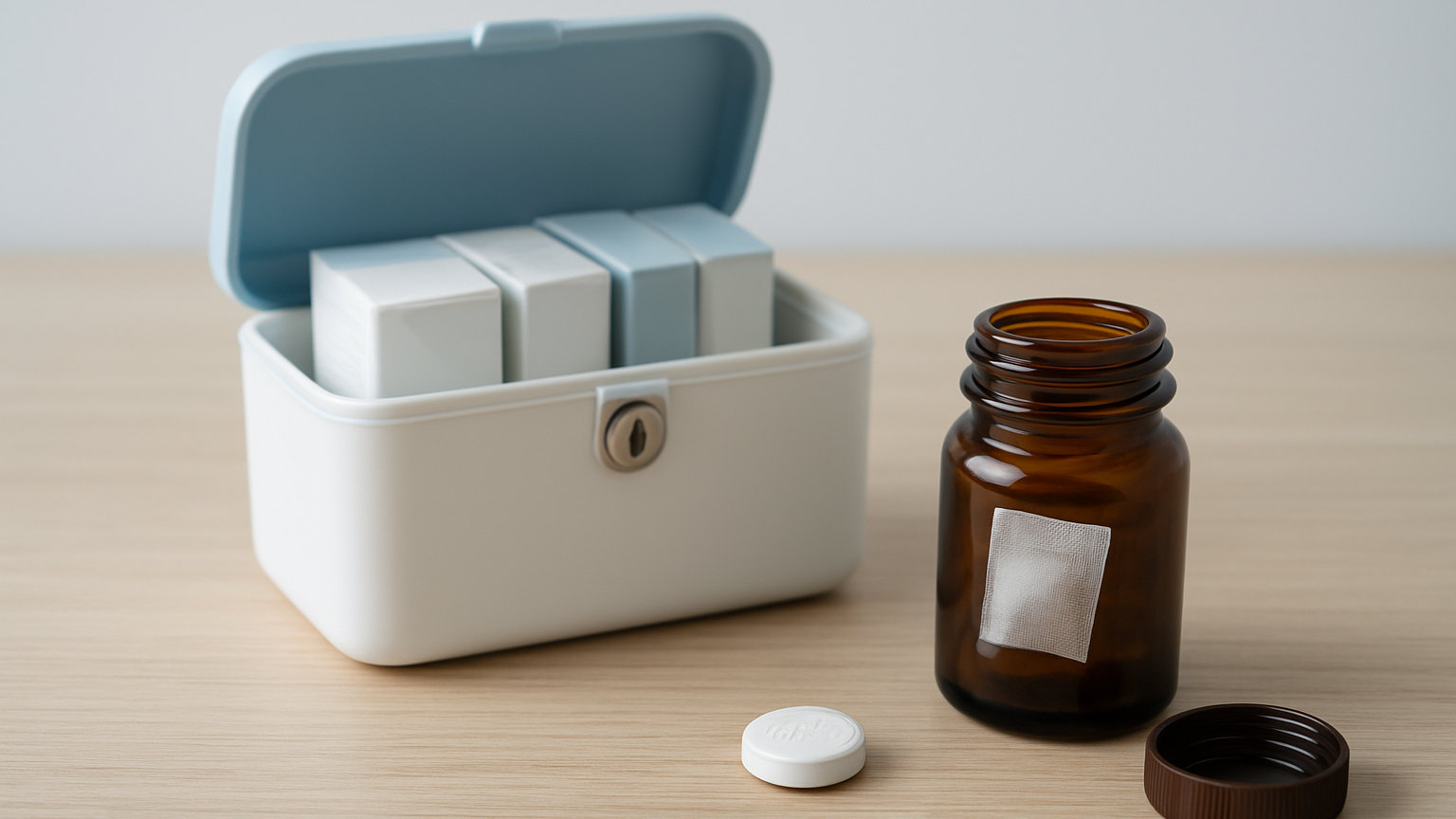
A lockable box, a key-code cupboard or simply a different room all work. It does not need to be elaborate.
Where someone lives alone and a carer visits, the visiting schedule usually determines how much is left out.
Blister packs help, with limits
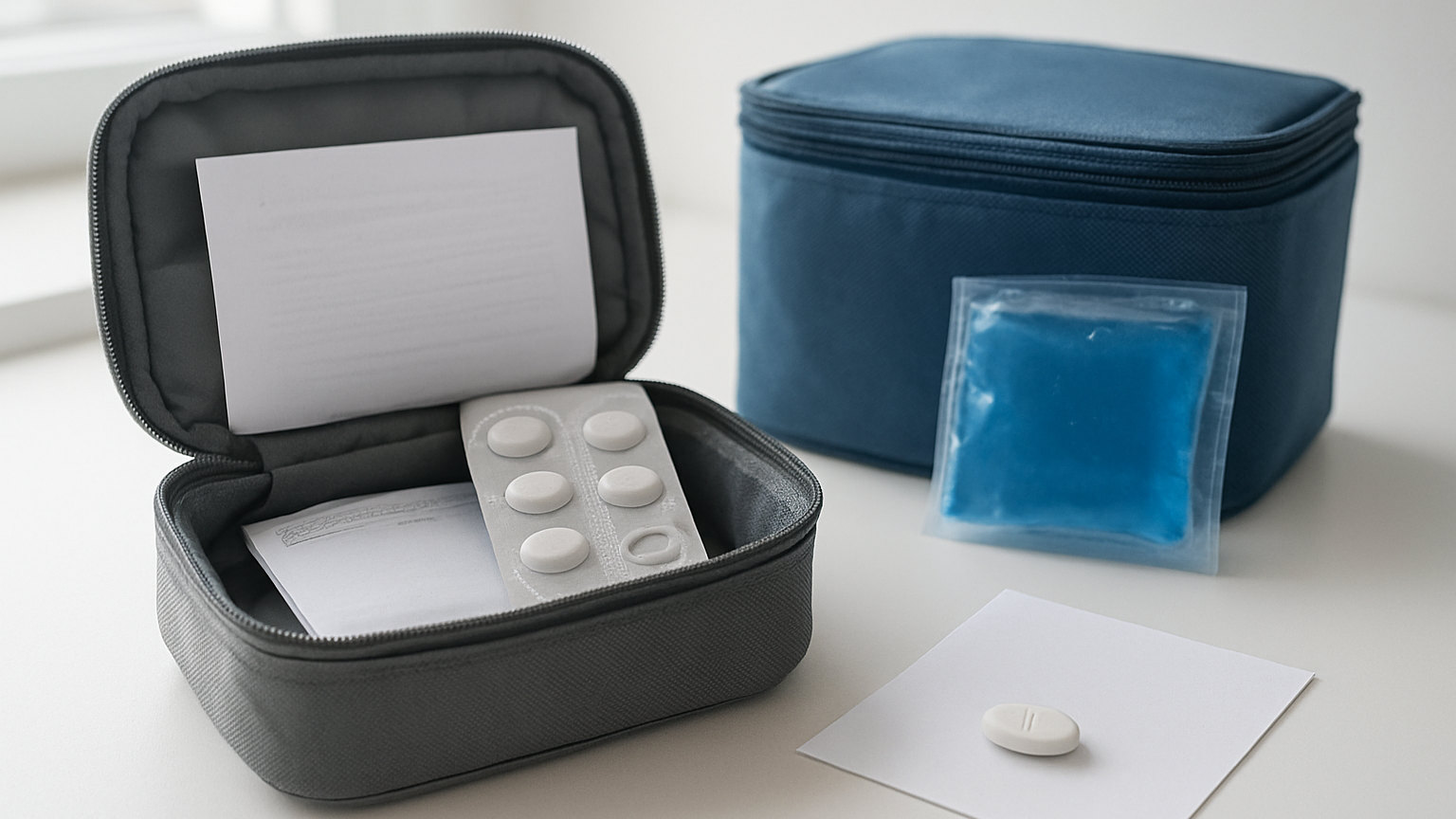
A pharmacy-filled blister pack or dosette box makes it visible whether a dose has been taken, which memory cannot.
They suit stable regimens well and are worth asking about - it is a common adjustment and pharmacies arrange it routinely.
The limitations are worth knowing. Not every medicine can go in one: liquids, inhalers, patches, eye drops, anything taken as required, and several tablets that are unstable outside their original packaging must stay separate.
They also carry a shorter in-use life, since tablets removed from blisters lose their moisture and light protection.
And a pack does not stop someone taking the next day's compartment.
See blister packs and dosette boxes.
Patches need counting
The most dangerous specific risk in this group.
Rivastigmine patches used in dementia, and opioid patches used for pain, are easily forgotten - so a new one is applied while the old one is still on, doubling the dose. Patches accumulate on the back where nobody looks.
Count them on and count them off. Write the date and site on a chart each time, and check the old patch has actually been removed before applying a new one.
Dispose of used patches folded sticky sides together and returned to a pharmacy - a used opioid patch still holds enough drug to harm a child or a pet.
See disposing of fentanyl patches safely.
Reduce the list
The most effective intervention is frequently fewer medicines rather than better storage.
Ask for a review aimed specifically at simplification: can anything be stopped, can anything move to once daily, can two items become one combination product, can a medicine requiring complex timing be replaced.
Anticholinergic medicines deserve particular attention, since they worsen confusion - and the combined burden of several mild ones can exceed one strong one. Sedatives, sleeping tablets and strongly anticholinergic antihistamines all add to falls and confusion.
Treatment targets also change with frailty: blood pressure or blood sugar controlled too tightly causes falls and hypoglycaemia.
See deprescribing and side effects in older people.
Everything else in the house
Prescribed medicines are usually the ones people secure, and the risk is wider.
Over-the-counter painkillers are the classic problem - paracetamol taken from a drawer alongside a prescribed combination painkiller that also contains it is a recognised route to exceeding the maximum.
Also worth removing or securing: old medicines from previous courses, another household member's supply, and anything left after a bereavement.
Cleaning products and anything in a bottle that could be mistaken for a drink belong in a locked cupboard too.
See combination tablets and clearing out your medicine cupboard.
If a dose may have been doubled
Ring 111 for advice, or 999 if the person is drowsy, confused beyond their usual state, unsteady, vomiting or having difficulty breathing.
Take the packaging with you.
It matters most with insulin, warfarin, opioids, sedatives, digoxin, lithium and diabetes tablets - but ring rather than deciding it is probably fine.
Paracetamol overdose produces no symptoms at first, which is exactly why waiting to see is the wrong approach.
Refusal and hiding medicines
Both are common and neither is deliberate obstruction.
If someone regularly refuses, tell the prescriber - there may be a formulation, a timing or a medicine that suits better.
Giving medicine hidden in food is sometimes necessary and is never a casual decision: it requires an assessment of capacity, a documented best interests process involving family and the prescriber, and pharmacist advice on whether the medicine can be given that way at all. Several cannot be crushed.
See managing someone else's medicines and cutting and crushing tablets.
The Usage section covers more on taking medicines day to day - Medicines, Damp, Light and Air is closely related to this one.