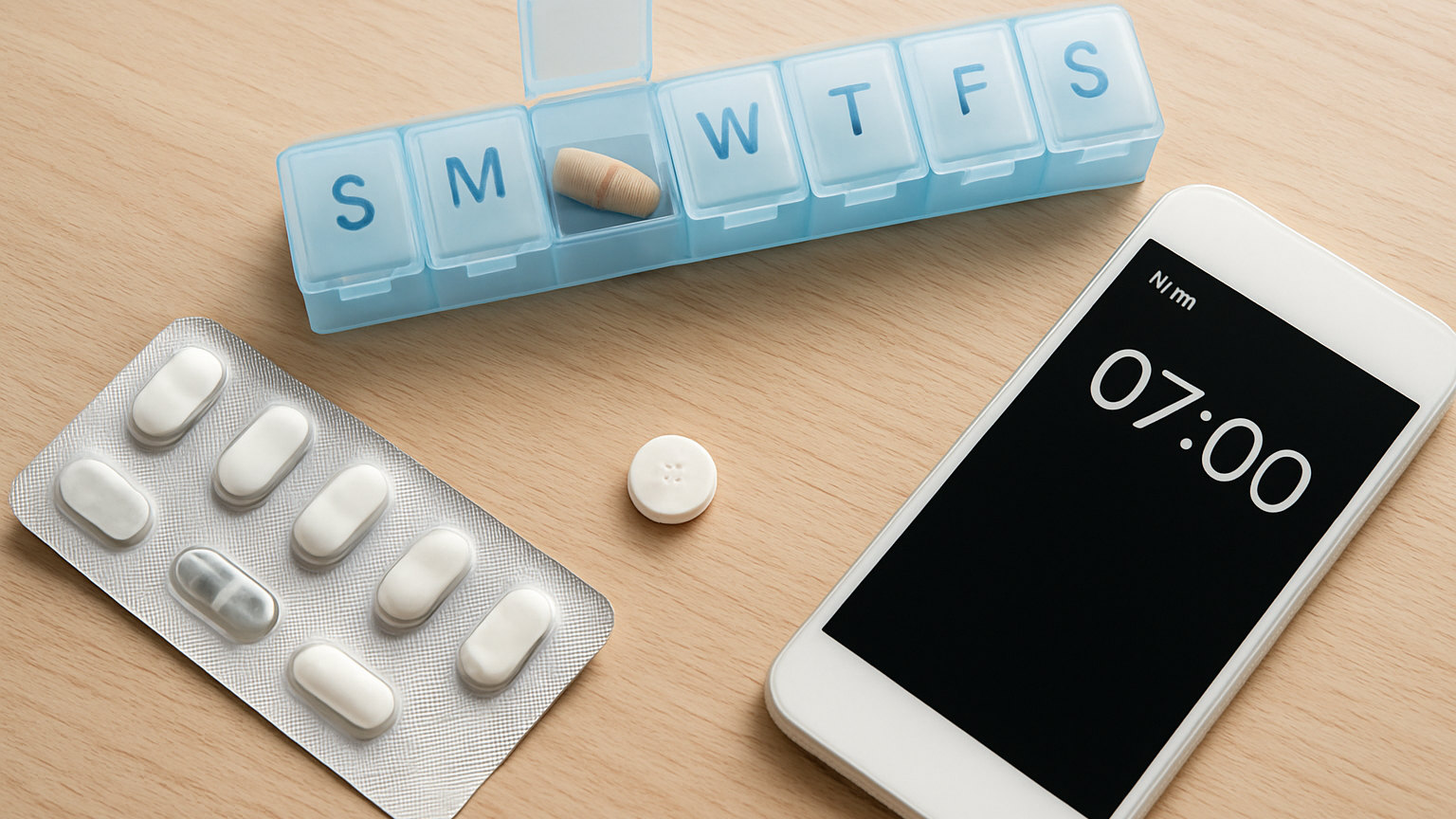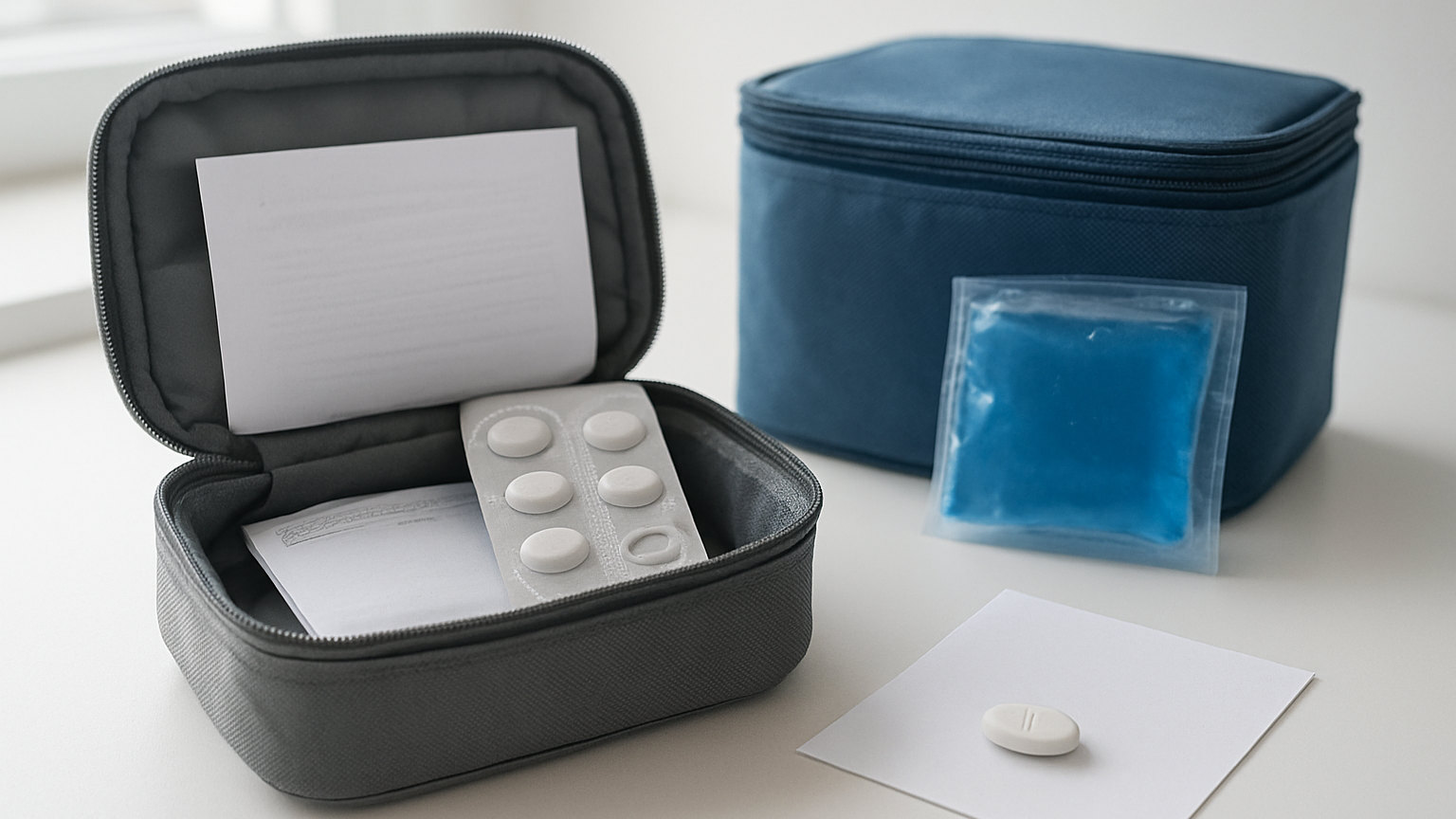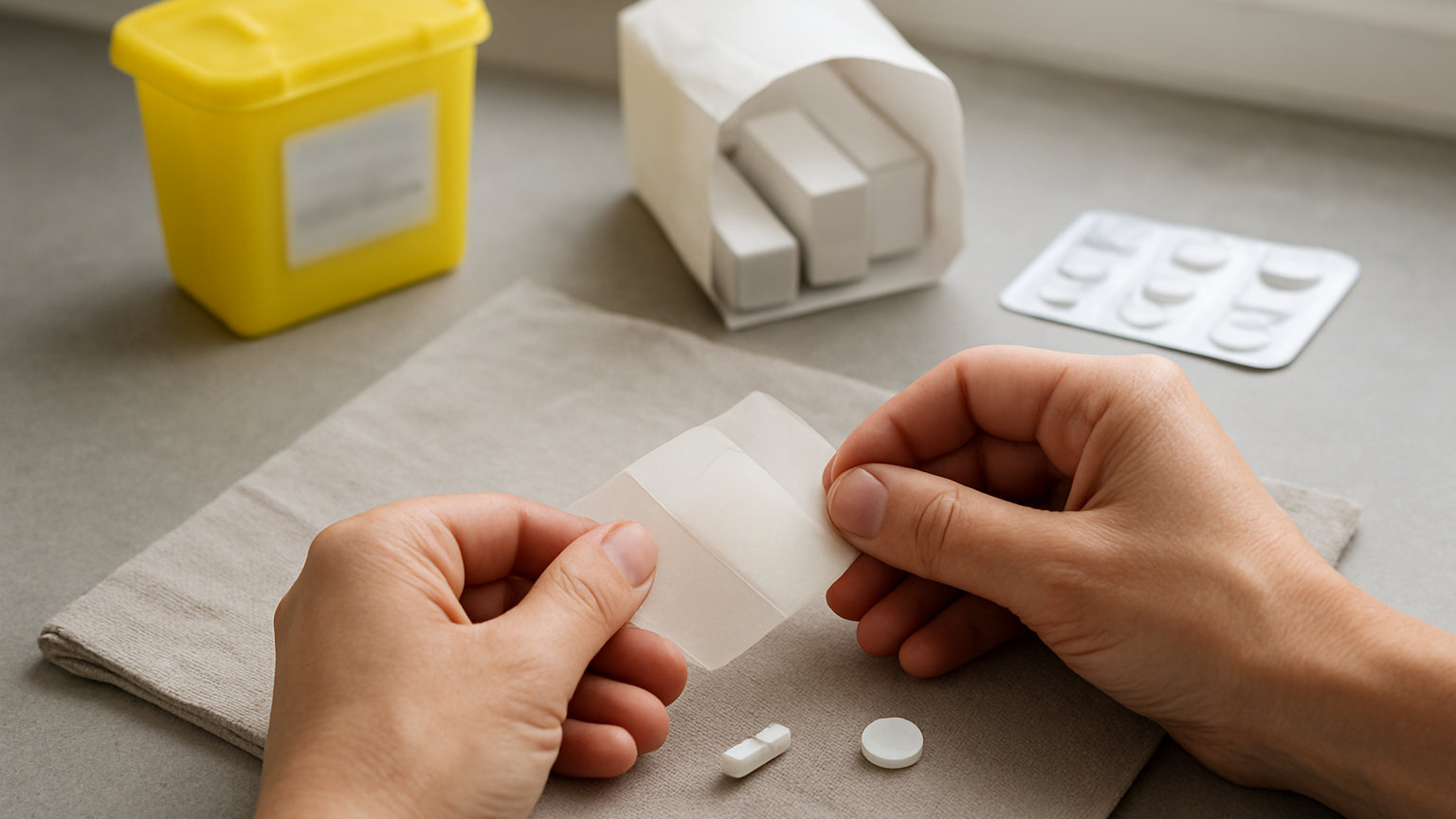
Medicine cupboards accumulate. Courses that were half finished, things prescribed for a problem that resolved, duplicates under two different names, and emergency items that expired quietly while nobody looked. An annual sort-out takes about an hour, and it reliably turns up at least one thing that matters - most often an out-of-date emergency medicine that would have failed at the worst possible moment.
Start with the emergency items
These come first because they are the ones you will need without warning, and the ones nobody checks.
Adrenaline auto-injectors - check the date and that the solution is clear and colourless. Discoloured or cloudy means replace. See adrenaline auto-injectors.
GTN spray or tablets - tablets should be discarded around eight weeks after opening regardless of the printed date. The spray keeps far longer. See glyceryl trinitrate.
Reliever inhalers - check the dose counter, and check the ones kept at work, in the car and at a relative's house.
Rescue packs of steroids and antibiotics - check dates and replace any you have used.
Glucagon - it sits unused for years and expires. See glucagon.
Naloxone, if you have it.
Then the in-use dates
Several things expire on their own clock once opened, and the packet date no longer applies.
Eye and ear drops - commonly four weeks after opening.
Reconstituted antibiotic liquids - a week or two, usually refrigerated.
Insulin in use - a set number of weeks at room temperature.
Biologic pens in use.
Write the opening date on anything in this category as you go. It takes two seconds and removes all future guesswork.
See how to tell if a medicine has gone off.
Look for duplicates
The check most likely to find something dangerous.
Look for the same drug under two names - a generic and a brand, or two boxes from different manufacturers that look nothing alike.
Look for a combination product alongside one of its components - co-codamol next to paracetamol is the classic, and it is how people exceed the paracetamol maximum without taking anything labelled paracetamol.
Look for two medicines doing the same job - two statins, a "-pril" and a "-sartan", or two inhalers containing the same steroid.
Read the ingredients panel rather than the brand name on anything bought over the counter.
See combination tablets and over-the-counter interactions.
Things you were told to stop
These are the ones that cause harm by sitting there.
Medicines stopped in hospital, medicines a specialist changed, and short courses that ended months ago all tend to remain in the cupboard - and get taken again during an illness, or by someone tidying up on your behalf.
Return them.
While you are there, note anything that is accumulating unopened - that usually means you are ordering something you are not taking, which is worth mentioning at your next review.
See hospital and discharge medicines and when side effects make you skip doses.
Check the storage while you are at it
If the cupboard is in the bathroom or beside the kettle, move it. Warmth and damp degrade tablets faster than time does.
A cool, dry cupboard in a bedroom or hallway is better, and out of sight and reach of children and animals.
Keep things in their original packaging, which carries the expiry, the batch number and the strength.
See where to keep your medicines and medicines and pets.
What is worth keeping
A sensible home stock is small: paracetamol, an antihistamine, oral rehydration sachets, plasters and a thermometer - plus your own regular and emergency medicines.
Anti-inflammatories only if they are suitable for everyone in the household, which they frequently are not.
Resist keeping "just in case" antibiotics. Leftover courses should not exist, and taking them later for something else drives resistance.
See finishing a course.
Update your list
Having handled every box, this is the natural moment to update your medicines list - including over-the-counter items and supplements, which are the ones always missing.
Put a date on it.
Check the other places
The cupboard is rarely the whole picture.
Medicines accumulate in handbags, coat pockets, glove compartments, bedside drawers, work desks, holiday luggage and at relatives' houses. Those are also the locations least likely to be safe - a bag on the floor is at toddler height, and a car is far too hot in summer. Gather them all in before sorting, and decide deliberately which duplicates are worth keeping where. See medicines in hot weather.
Take the rest to a pharmacy
Any pharmacy will accept returns free, without appointment and without questions, including controlled drugs and part-used items.
Never flush anything, and do not put medicines in household waste.
See what happens to medicines you return.
See also What to Do With Leftover Medicines, and the Usage section for more on taking medicines day to day.