How and When to Take Metformin
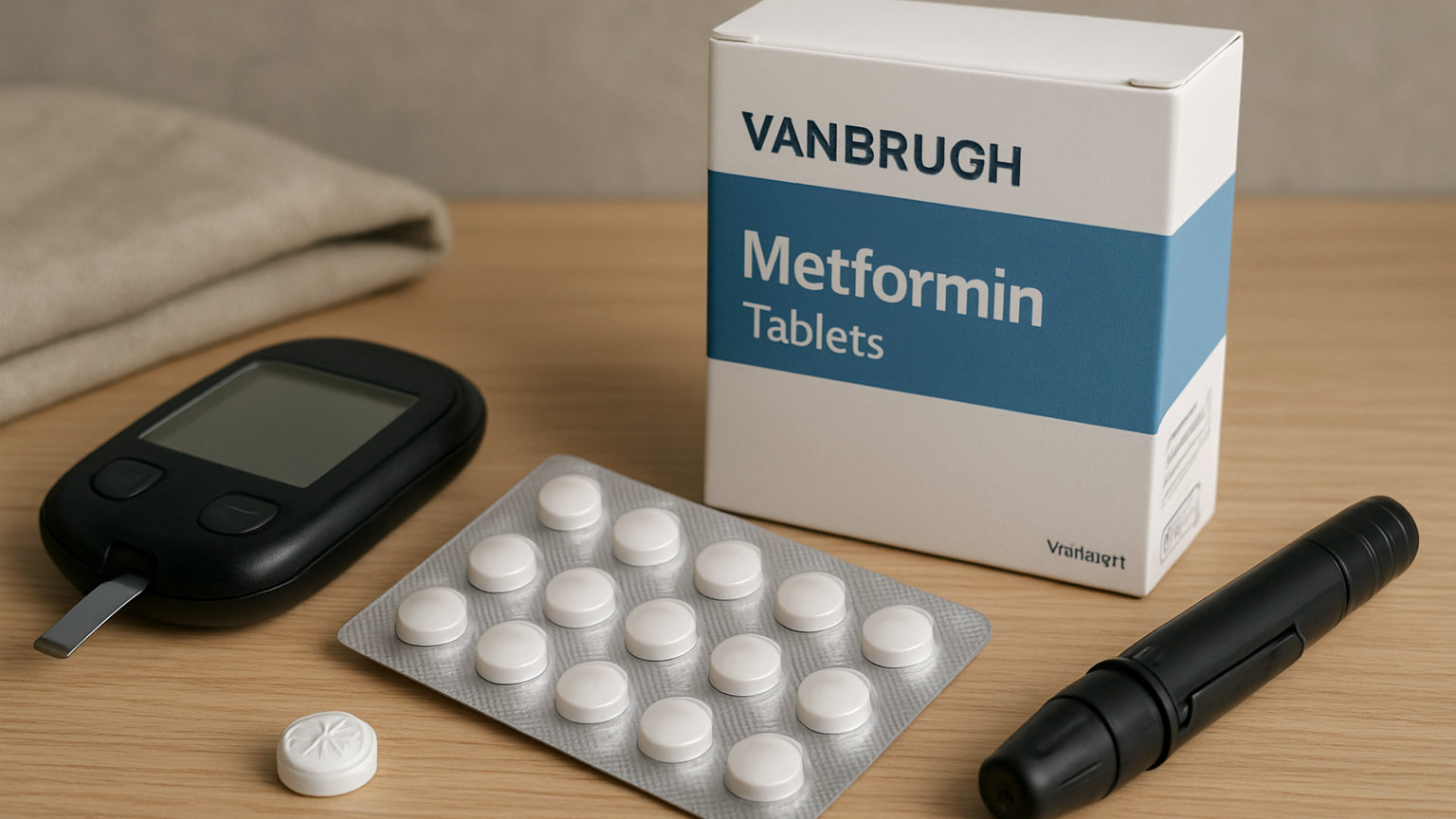
Most people who cannot tolerate metformin were started too fast or took it on an empty stomach. Both are fixable.
By Prescription Medicines Editorial
14 Apr 2026

Almost every prescription belongs to one of a handful of broad families, and knowing which family yours is in explains a great deal: how it works, how long it takes to do anything, whether you will feel it working at all, and what tends to come with it. These guides cover the main classes without the jargon.
Most people who cannot tolerate metformin were started too fast or took it on an empty stomach. Both are fixable.
The trial results are genuinely striking, and so is what happens when people stop. Both halves belong in the same conversation.
It works in minutes, which is exactly why people come to rely on it and stop noticing that they are using it more than they used to.
Two instructions carry most of the trouble: stay upright after taking it, and stay out of the sun. Both are more important than they sound.
It is treated as a mild option because it is not morphine. It is an opioid with an extra mechanism, and that second mechanism is where the surprises are.
More of the trouble people have with this medicine comes from when they take it than from how much they take.
Started for a month, taken for a decade. It is among the most commonly continued medicines nobody ever revisits.
The important question is almost never which proton pump inhibitor you are on. It is when somebody last asked whether you still need one.
The instructions look fussy and are not. Almost none of the drug is absorbed at the best of times, and getting it wrong hurts.
Black stools are expected. The part worth more attention is why you were short of iron in the first place.
It is very good at what it does and useless at several things people expect it to do. The difference is which signal causes the nausea.
The route you take it by changes the risk more than the dose does, and that is the single most useful thing to understand about it.