Child-resistant closures and foil blister strips defeat a great many people - anyone with arthritis, reduced hand strength, tremor, neuropathy or visual impairment. It is a common reason medicines go untaken, and it is almost never mentioned, partly because it feels like a trivial complaint. It is not trivial: a medicine you cannot get out of the packet is a medicine you are not taking.
Ask for easier packaging
The simplest fix, and the one most people do not know exists.
Pharmacies can supply plain screw caps instead of child-resistant ones on request, where it is safe to do so.
You simply ask, and it can be noted on your record so it happens every time rather than only when you remember.
The obvious caveat: this is not suitable where children visit or live in the household, and it changes how the medicines need storing - somewhere genuinely out of reach becomes essential.
See keeping medicines away from children and storing medicines in a shared home.
Blister packs
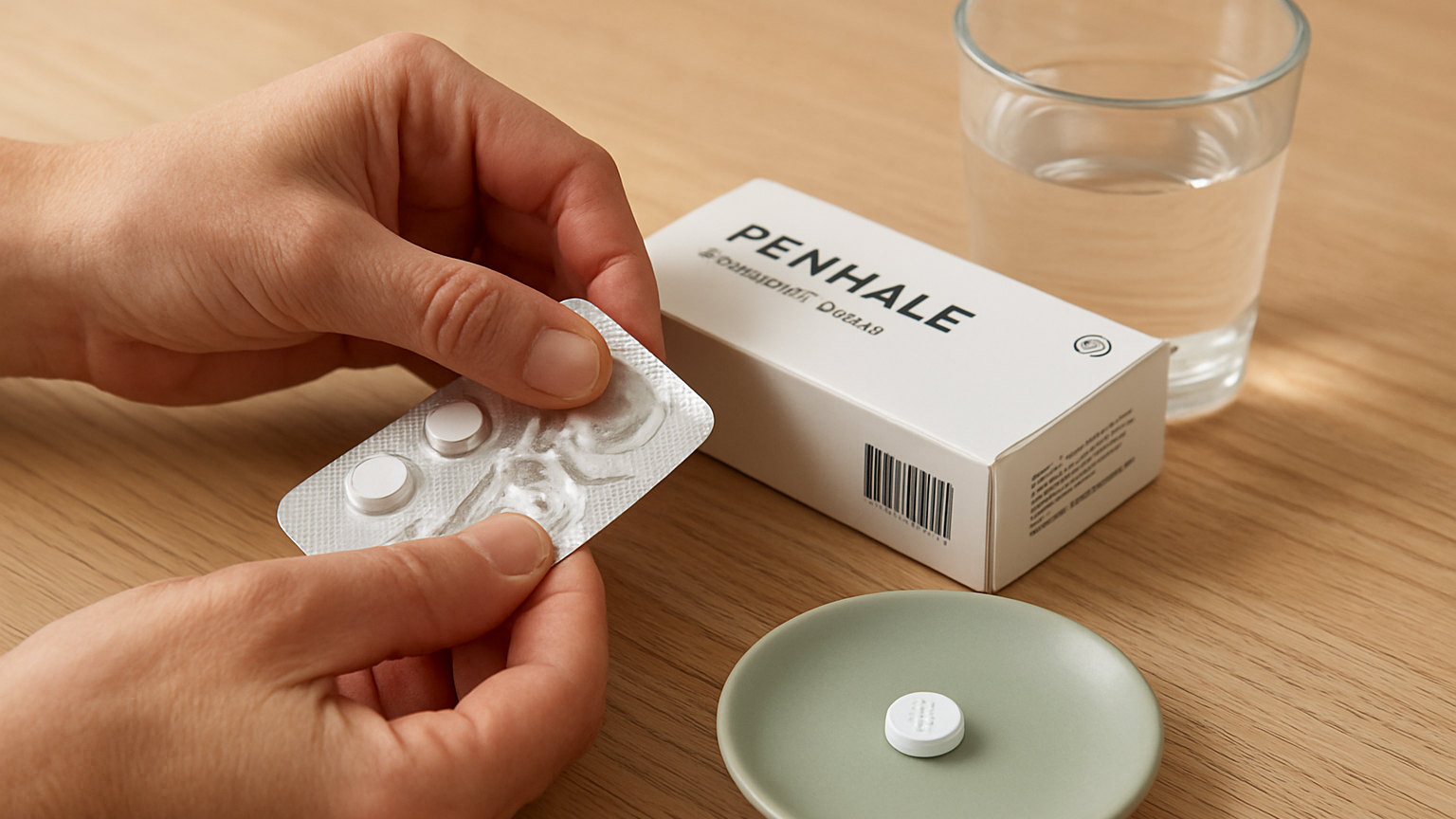
Foil strips are harder than bottles for most people with grip problems, and the newer child-resistant blisters requiring a peel-then-push action are harder still.
Options:
Blister opening aids - small devices that grip the strip and push the tablet through. Available cheaply, and occupational therapy services can advise.
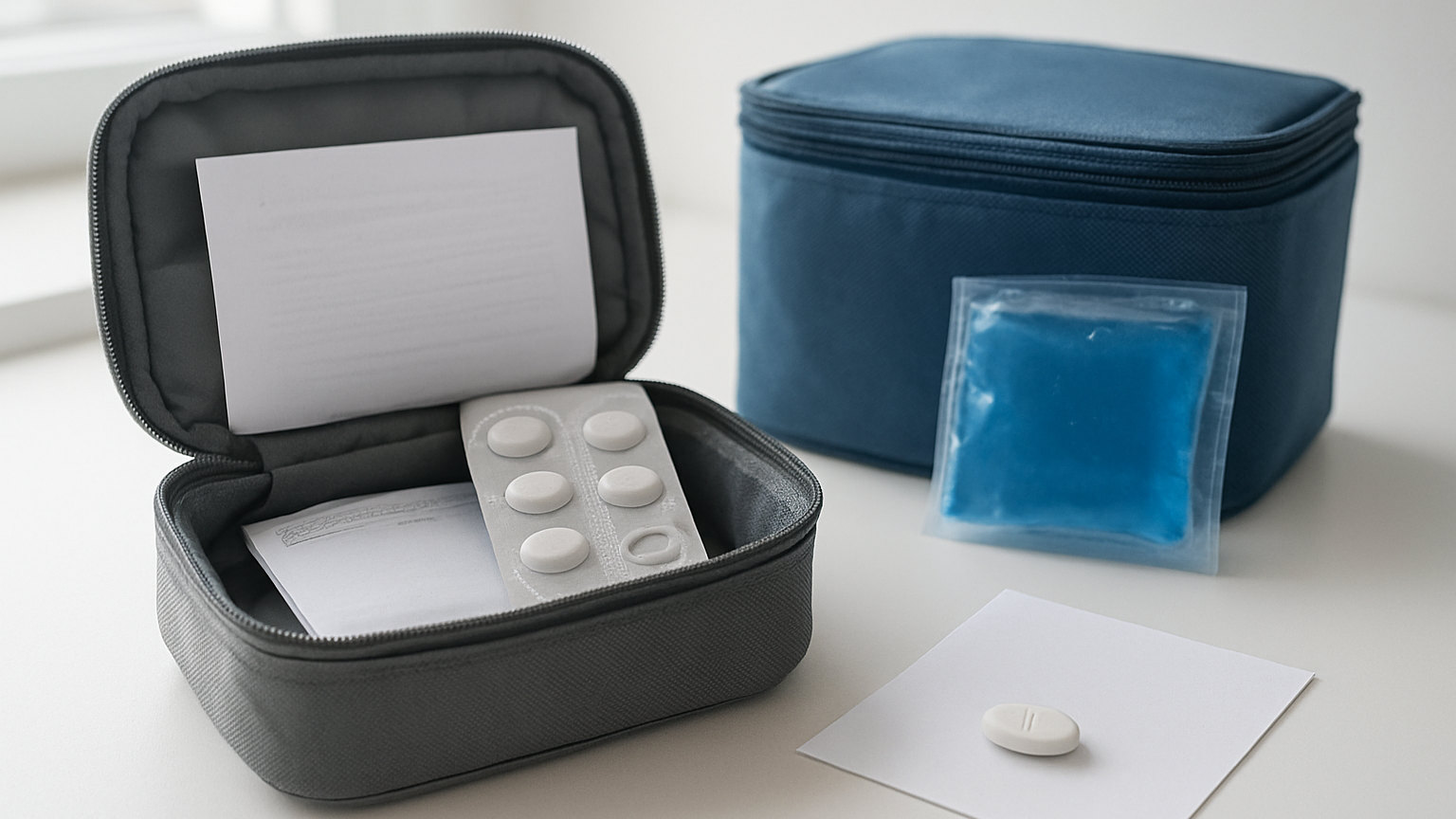
A pharmacy-prepared blister pack or dosette box, where the pharmacy dispenses into a weekly tray. These are easier to open and also solve the "did I take it" problem.
Note that some medicines cannot be removed from their original packaging - moisture-sensitive products and certain others - so ask first.
See blister packs and dosette boxes.
Eye drops
Among the hardest for anyone with tremor, arthritis or reduced vision - squeezing a small bottle accurately into your own eye is a genuinely demanding task.
Eye drop dispensing aids hold the bottle, position it over the eye and reduce the squeeze needed. Several designs exist for different bottle types, and some manufacturers supply them free.
Other measures: lying down to instil drops, resting the hand holding the bottle against your forehead for stability, and pulling the lower lid down to make a pocket rather than aiming at the eye itself.
Ask your optometrist, pharmacist or eye clinic - they see this constantly and will know what is available for your particular bottle.
Inhalers
Pressurised inhalers need a firm press coordinated with a slow breath in, which is hard with weak hands.
Grip aids that convert the press into a squeeze are available for common inhalers.
Breath-actuated inhalers fire when you breathe in, removing the press entirely.
Spacers remove the need to coordinate, though they still require the canister to be pressed.
Dry powder inhalers need no press at all, but require a hard, fast inhalation that not everyone can generate - so they are not automatically the answer.
Technique should be rechecked whenever a device changes, since the breathing technique for the two types is opposite.
See using your inhaler properly.
Injections
Where self-injection is difficult, auto-injector pens require less dexterity than a syringe, and some need only a button press or contact with the skin.
Different manufacturers' devices differ considerably in the force needed, so if one is unmanageable, another may not be.
See injecting yourself at home.
Splitting tablets
Halving a small tablet by hand is difficult and inaccurate.
A tablet splitter is cheap and considerably more reliable.
Better still, ask whether the strength you need is available as a whole tablet - splitting is frequently done because of how the prescription was written rather than because it has to be.
Never split modified-release or enteric-coated tablets - see cutting and crushing tablets.
Reading the label
Small print defeats a lot of people, and taking the wrong thing because you could not read the box is a real risk.
Pharmacies can provide large-print labels, and in some cases braille or audio labelling, on request.
Under accessibility requirements, NHS services should provide information in a format you can use - this is something you are entitled to ask for rather than a favour.
See how to read a medicine label.
Say something
The reason this persists is that people do not mention it - it feels minor, and admitting difficulty feels like admitting decline.
Pharmacists deal with it constantly and have straightforward answers. Occupational therapists assess exactly this and can supply aids.
Raise it at a medication review, where it is directly relevant to whether your treatment is working.
See medication reviews.
See also Applying Creams and Ointments Properly, and the Usage section for more on taking medicines day to day.