
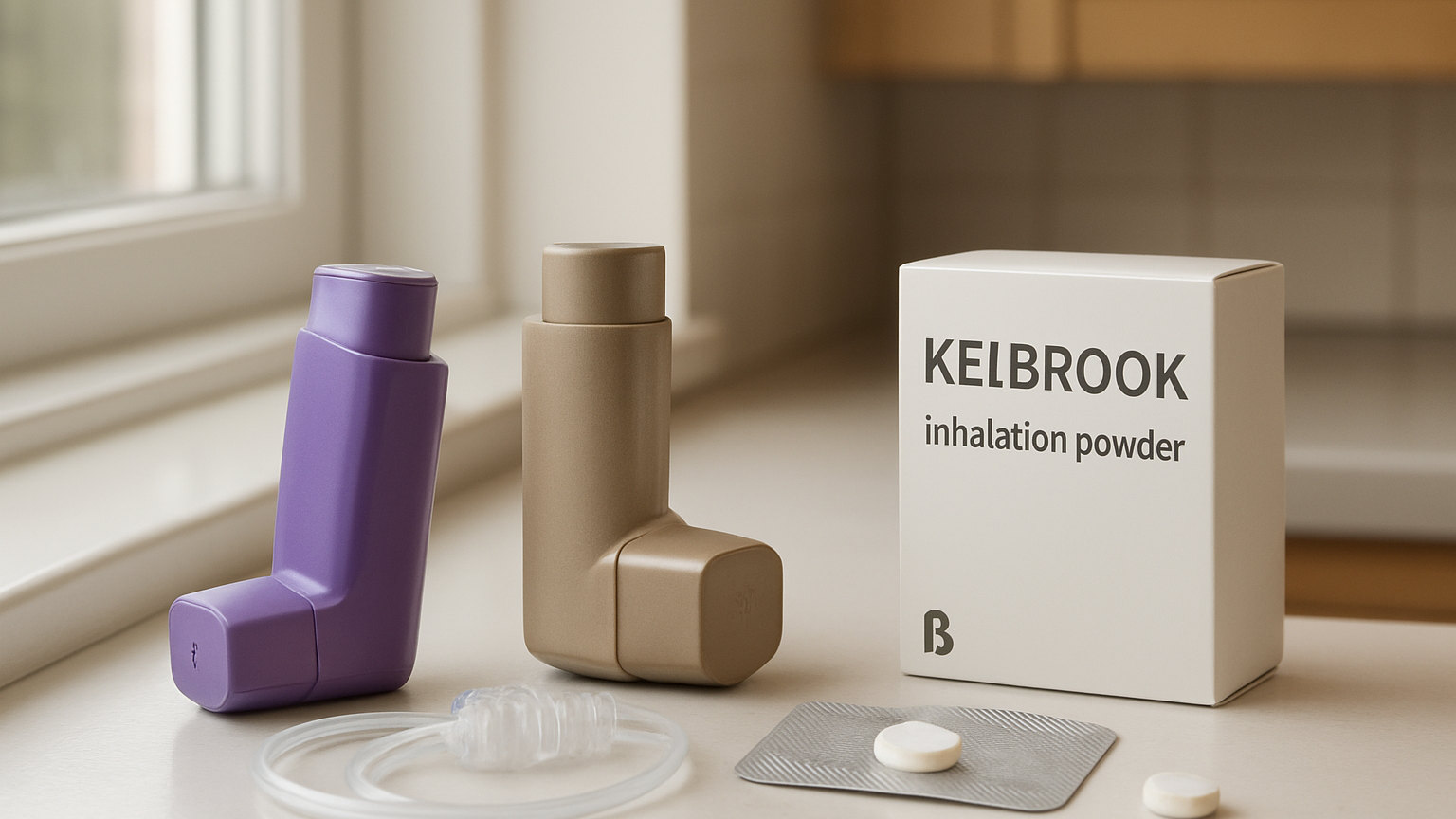
Fluticasone is an inhaled corticosteroid - the preventer. It treats the inflammation and swelling in the airways that make them twitchy and prone to narrowing, which is the underlying problem in asthma. It does nothing quickly and you feel nothing when you take it, which is exactly why people stop. The reliever opens the airways within minutes and is memorable; the preventer does the work that stops you needing the reliever at all.
Follow the instructions on your label and your asthma action plan. This guide contains no doses.
It only works if taken every day
The anti-inflammatory effect builds over days to weeks and fades over a similar period once stopped. Taking it only when symptomatic achieves very little.
Most inhaled steroid treatment failures are adherence failures rather than drug failures. If you have been taking it on and off and concluded it does not work, that is worth revisiting.
Needing your reliever three or more times a week is a sign the preventer treatment needs reviewing, not a sign you need more reliever. See preventers and relievers and salbutamol.
Rinse your mouth afterwards
Steroid deposited in the mouth and throat causes oral thrush and a hoarse voice - the two commonest side effects and both largely preventable.
Rinse your mouth with water and spit it out after each dose. Brushing your teeth afterwards works too.
Using a spacer with a pressurised inhaler reduces mouth deposition considerably while increasing how much reaches the lungs - it helps on both counts. See using your inhaler properly.
Hoarseness that persists despite good technique is worth reporting, and a persistently hoarse voice lasting more than three weeks needs assessing for other reasons.
Combination inhalers
Fluticasone is often combined with a long-acting bronchodilator in a single inhaler - and in asthma, a long-acting bronchodilator should never be used without an inhaled steroid, which is why those combinations exist.
Some regimens use a combination inhaler as both preventer and reliever, taken regularly and as needed. That is a specific approach with specific instructions, and it is important to know which regimen you are on - the two are not interchangeable and using the wrong one is a common source of confusion after a change.
Our guide to COPD and what your inhalers do covers how the regimens differ there.
Two forms of fluticasone
Fluticasone propionate and fluticasone furoate are different salts with different potencies, taken at different doses and sometimes at different frequencies.
They are not interchangeable. If your inhaler changes, check the instructions rather than assuming - see why some medicines are prescribed by brand.
The interaction that surprises people
Fluticasone is normally cleared so efficiently by the liver that very little reaches the rest of the body - which is what makes inhaled steroids safe.
Block that enzyme and the position changes completely. Ritonavir, cobicistat and some antifungals such as itraconazole can raise fluticasone levels enough to cause Cushing's syndrome and adrenal suppression from an ordinary preventer inhaler or nasal spray.
See ritonavir and cobicistat. If you take HIV medication, tell whoever prescribes your inhaler - an alternative steroid is usually used instead.
Higher doses and the steroid card
At ordinary doses, systemic effects are minimal. At high doses over long periods, inhaled steroids can suppress the adrenal glands as tablets do.
People on high-dose inhaled steroids should carry a steroid emergency card, and this is frequently overlooked because an inhaler does not feel like steroid treatment.
Ask whether your dose qualifies. See prednisolone and steroid inhaler safety.
Children
Inhaled steroids can slow growth slightly, mostly in the first year of treatment, with a small effect on final adult height.
Set against that, poorly controlled asthma affects growth too, and causes attacks. Height should be measured at reviews, and the aim is the lowest dose that maintains control rather than avoiding treatment.
See asthma in children.
Other effects
At higher doses over years: a small increase in the risk of cataracts, glaucoma and reduced bone density. Easy bruising is reported.
In COPD specifically, inhaled steroids raise the risk of pneumonia - which is why they are used more selectively there than in asthma.
Report a change in vision, or a chest infection that is not settling.
When to call for help
Call 999 if your reliever is not helping or not lasting four hours, you are too breathless to speak in full sentences, your lips look blue or grey, or your symptoms are worsening quickly.
Do not delay because you think you should try the inhaler a few more times - that delay is the most common factor in asthma deaths. See when asthma gets worse.
Recycling
Pressurised inhalers contain potent greenhouse gases. Return empties to a pharmacy rather than the bin - see why returned medicines cannot be reused.
See also Tiotropium: Long-Acting COPD Inhalers, and the Conditions section for more on what medicines are prescribed for.


