Taking Medicines in Hospital
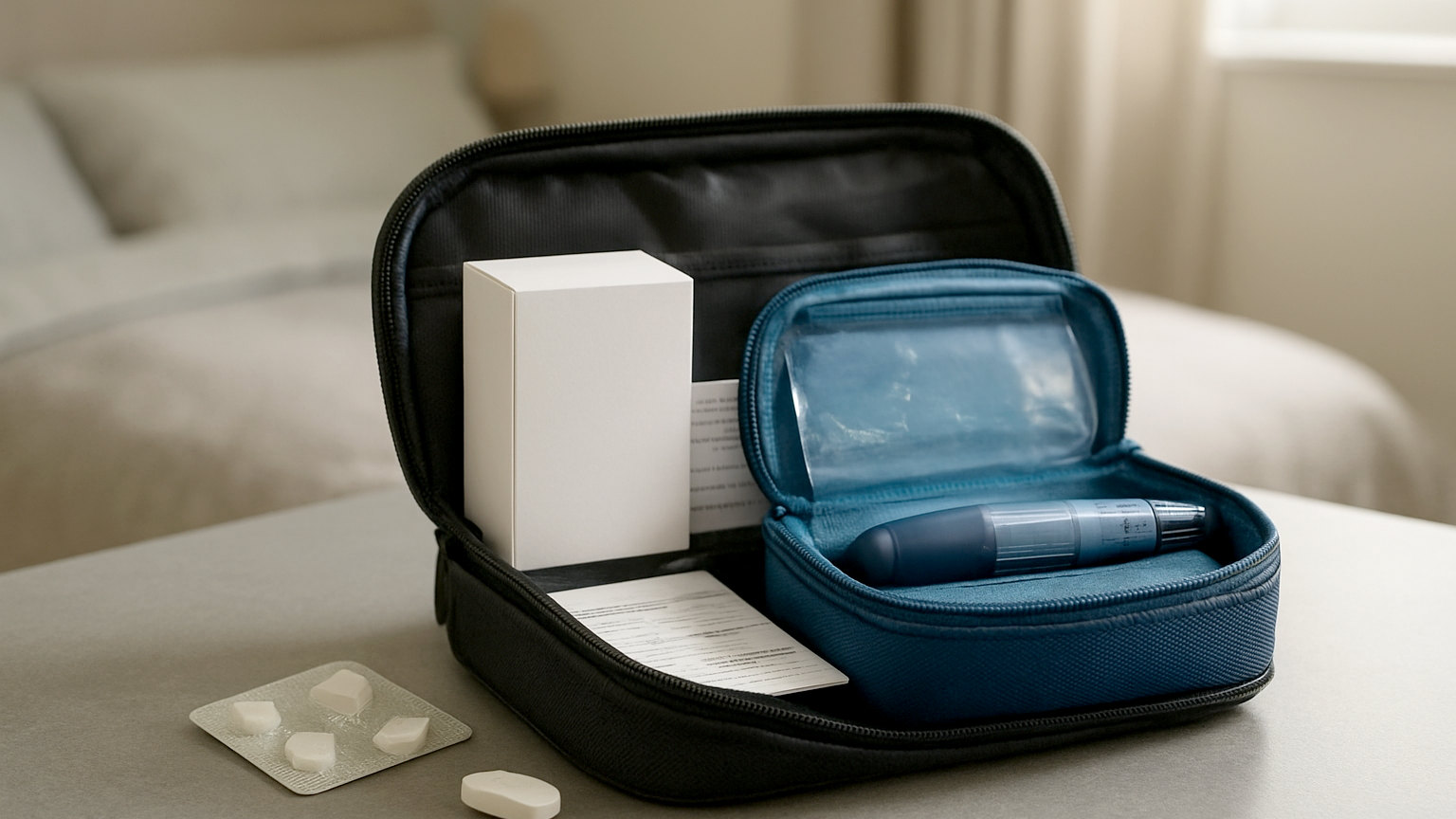
Handing your medicines over at the door is normal, and for a few conditions the timetable afterwards matters enormously.
By Prescription Medicines Editorial
20 Mar 2025

The practical half of the problem. Not what the medicine does, but the ordinary questions that come up at nine in the evening when the leaflet does not cover them: does this need food, what happens if I forgot yesterday, can I keep it in the bathroom, and can I fly with it. Where the honest answer is "it depends on the medicine", we say so.
Handing your medicines over at the door is normal, and for a few conditions the timetable afterwards matters enormously.
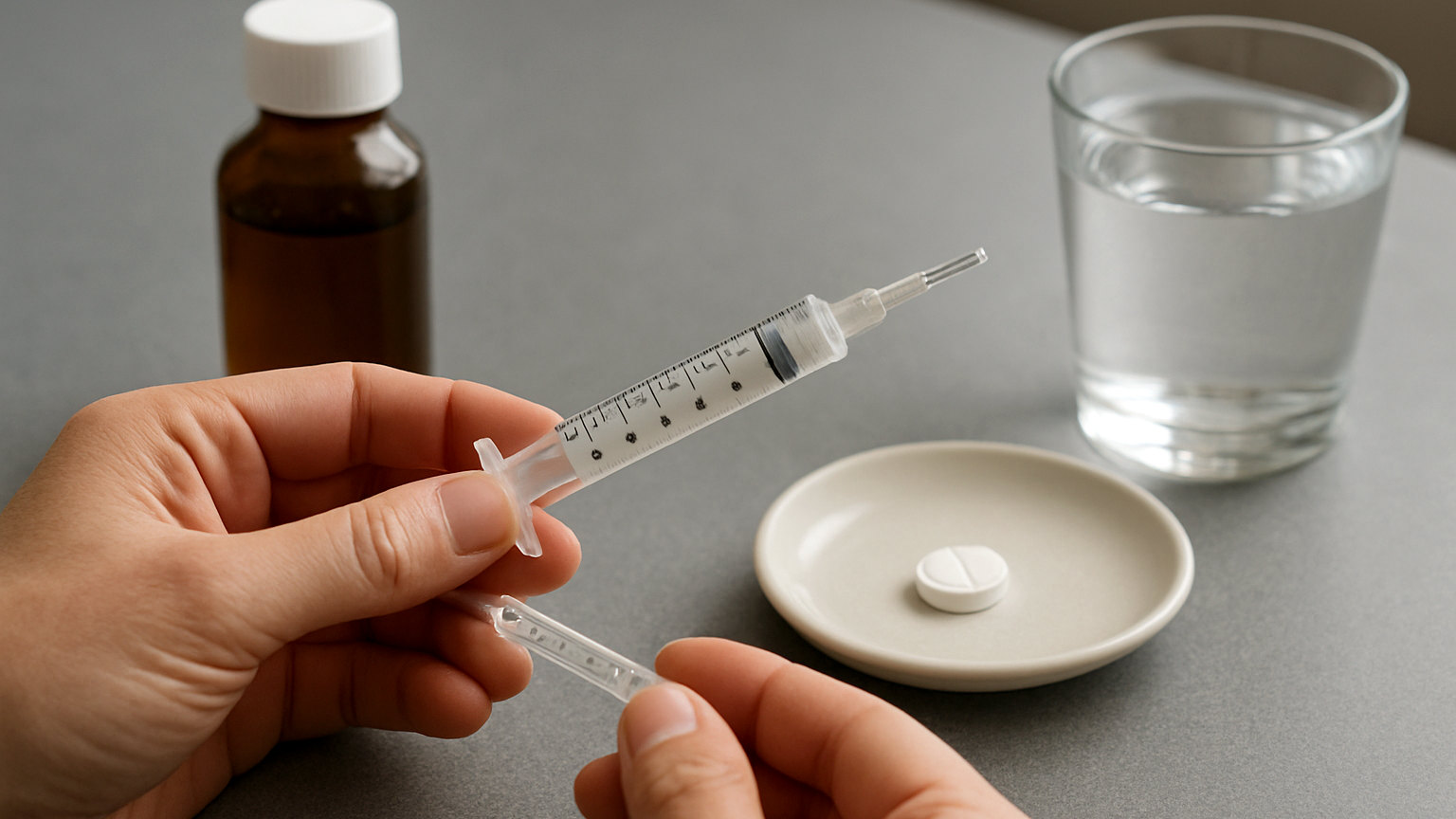
Household spoons vary enormously, and the strength on the label matters as much as the volume.
Sudden admissions and evacuations both give you about five minutes to think clearly.
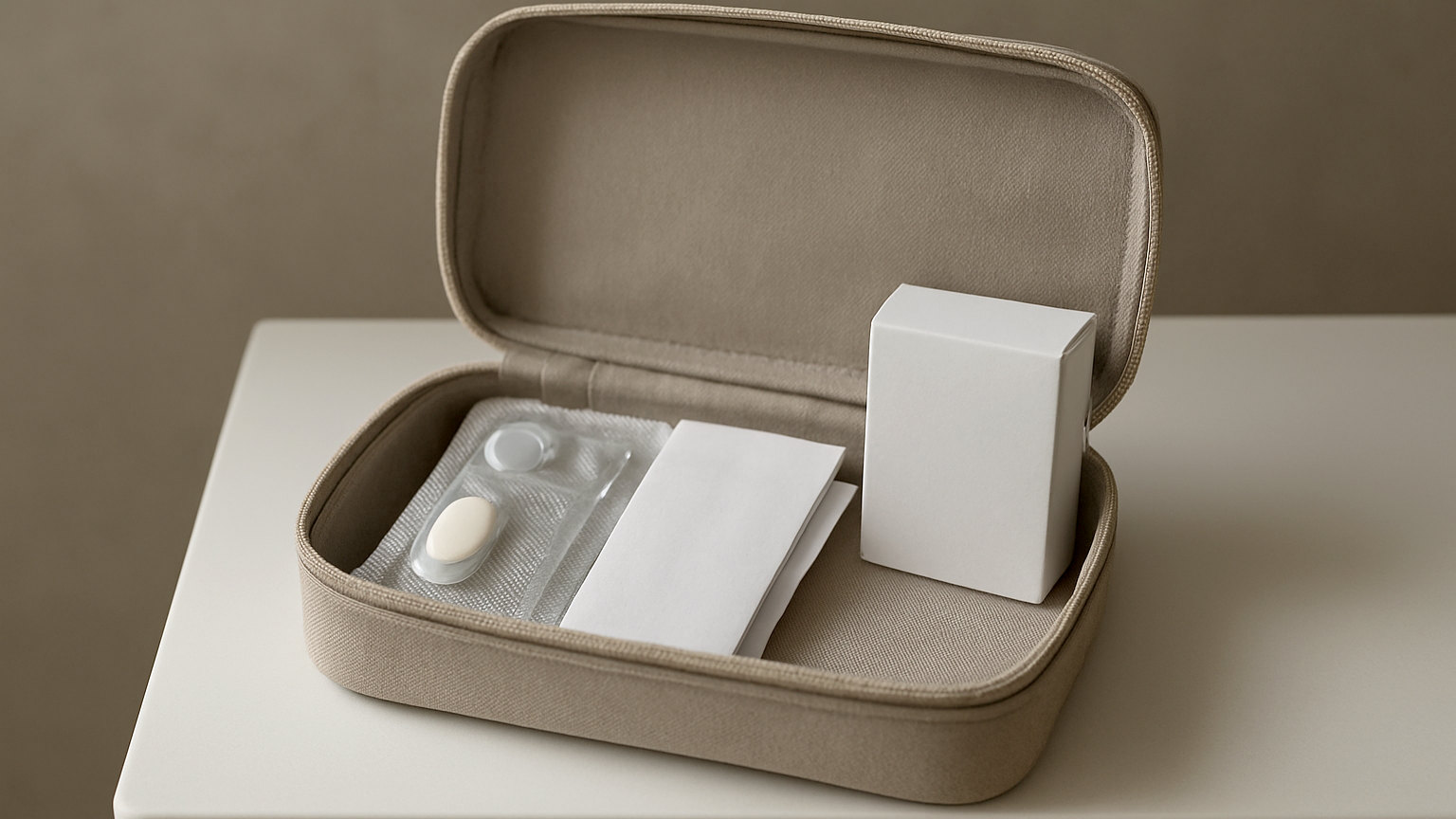
Two environments where an ordinary medicine can become a problem, for quite different reasons.
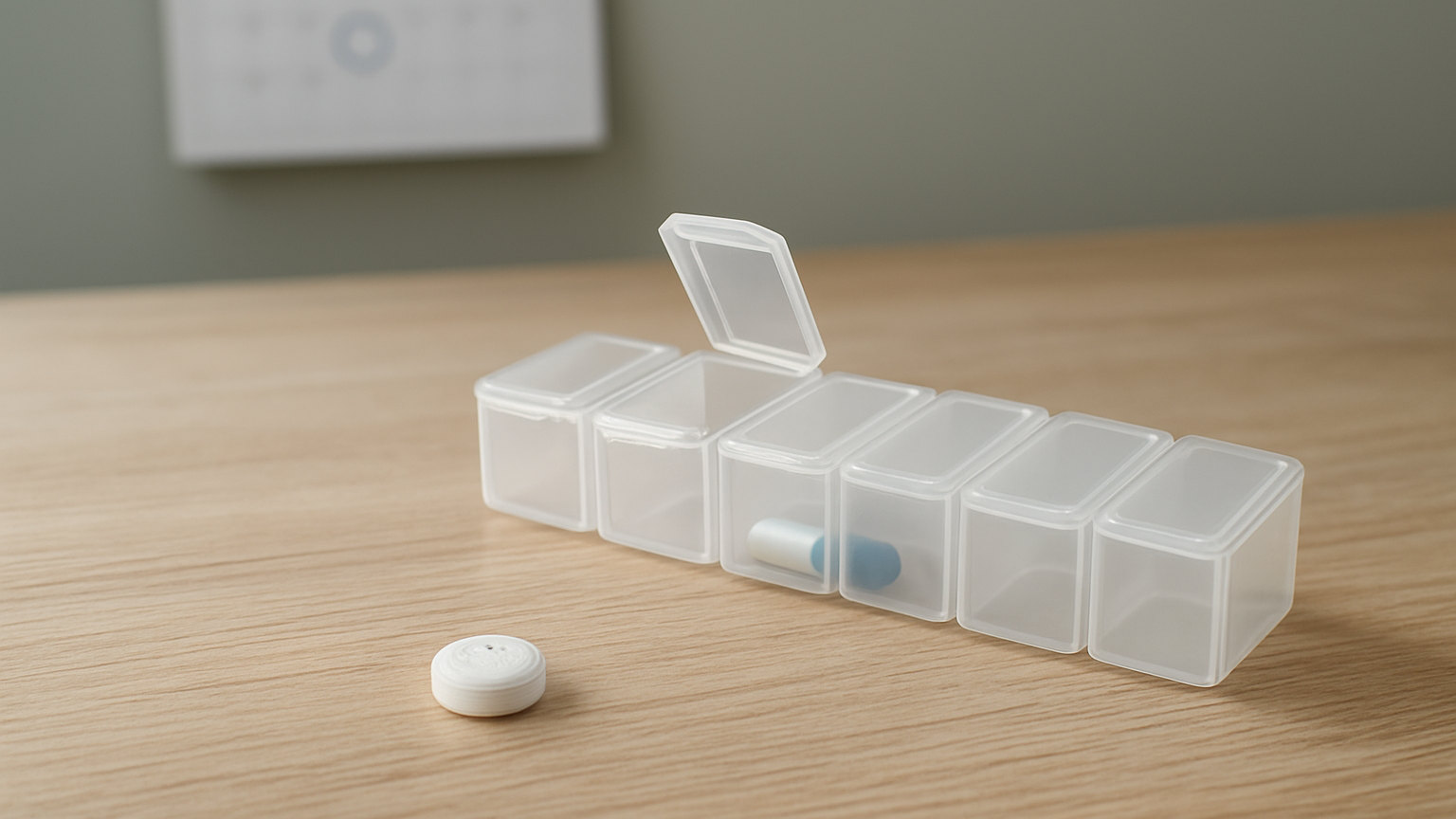
Some timing rules are pharmacological, some are practical, and it helps to know which is which.
The medicine you did not mention is how an insurer identifies the condition you did not declare.
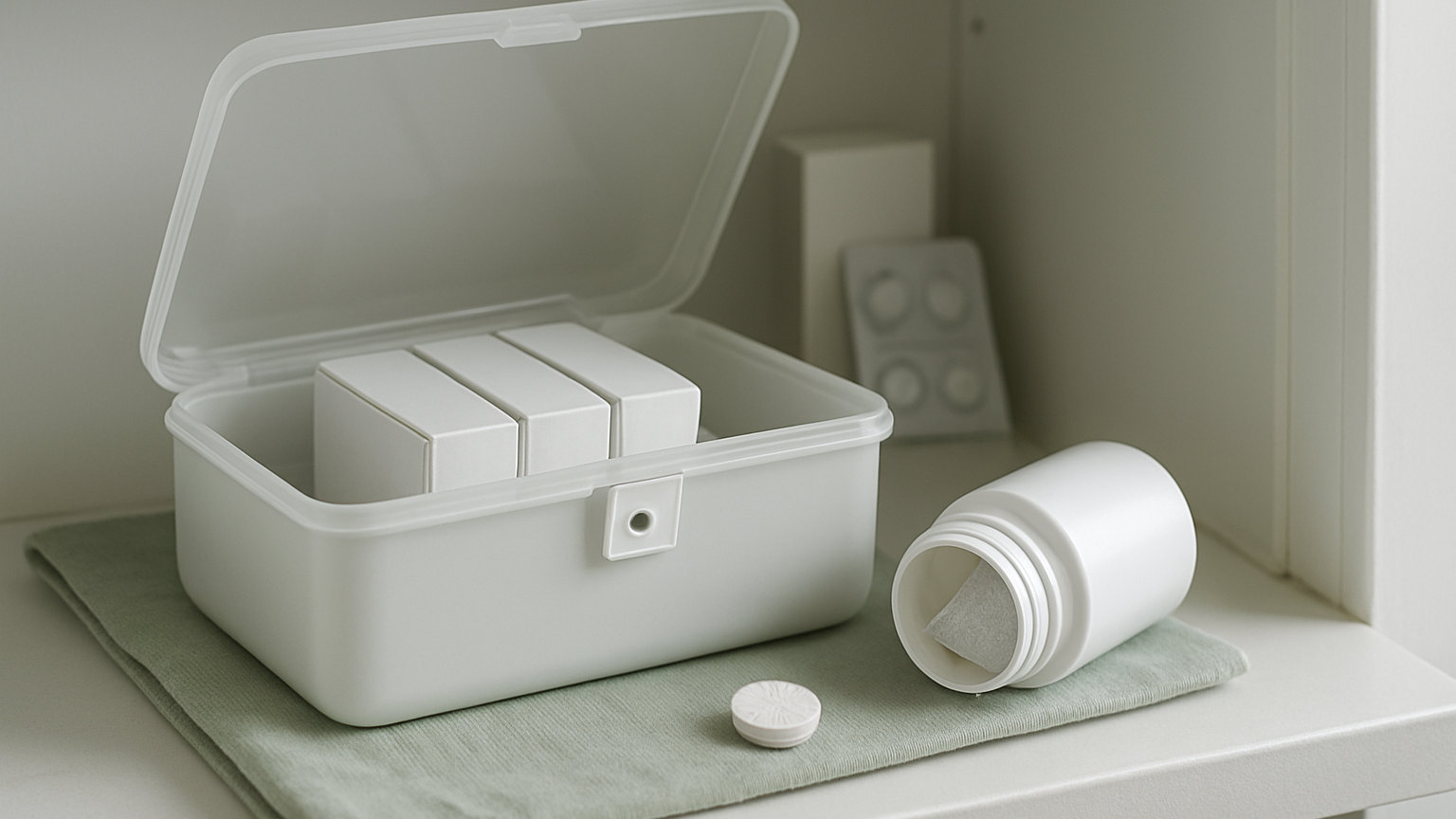
Heat, damp, light and air do more damage than the calendar, and two of them are in most bathrooms.
A dose taken before a session can be partly removed by it, which is not a missed dose but has the same effect.
A biscuit is usually enough, and sometimes the tablet is why you did not want lunch.
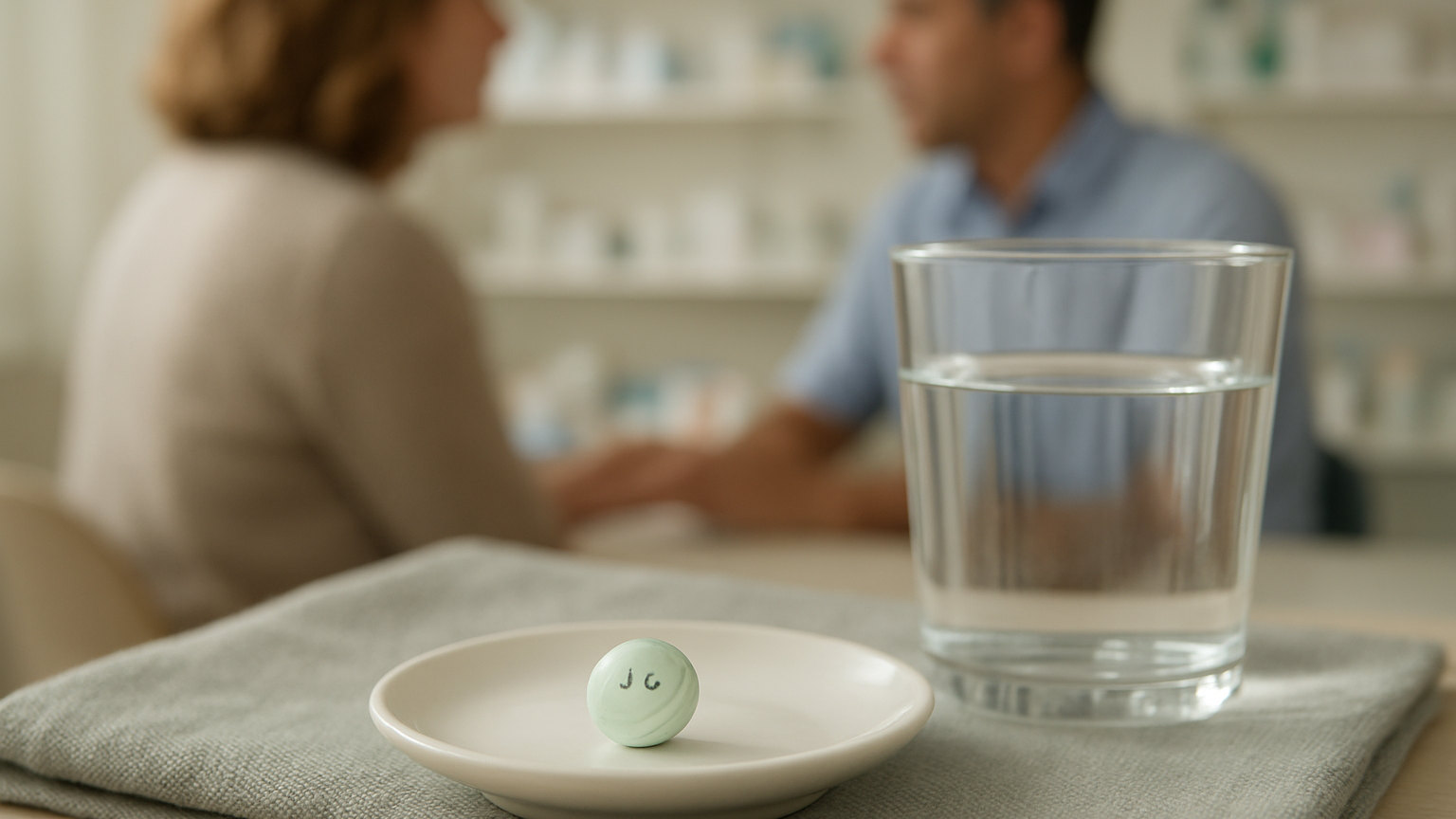
The one thing not to do with a tablet you cannot identify is take it.
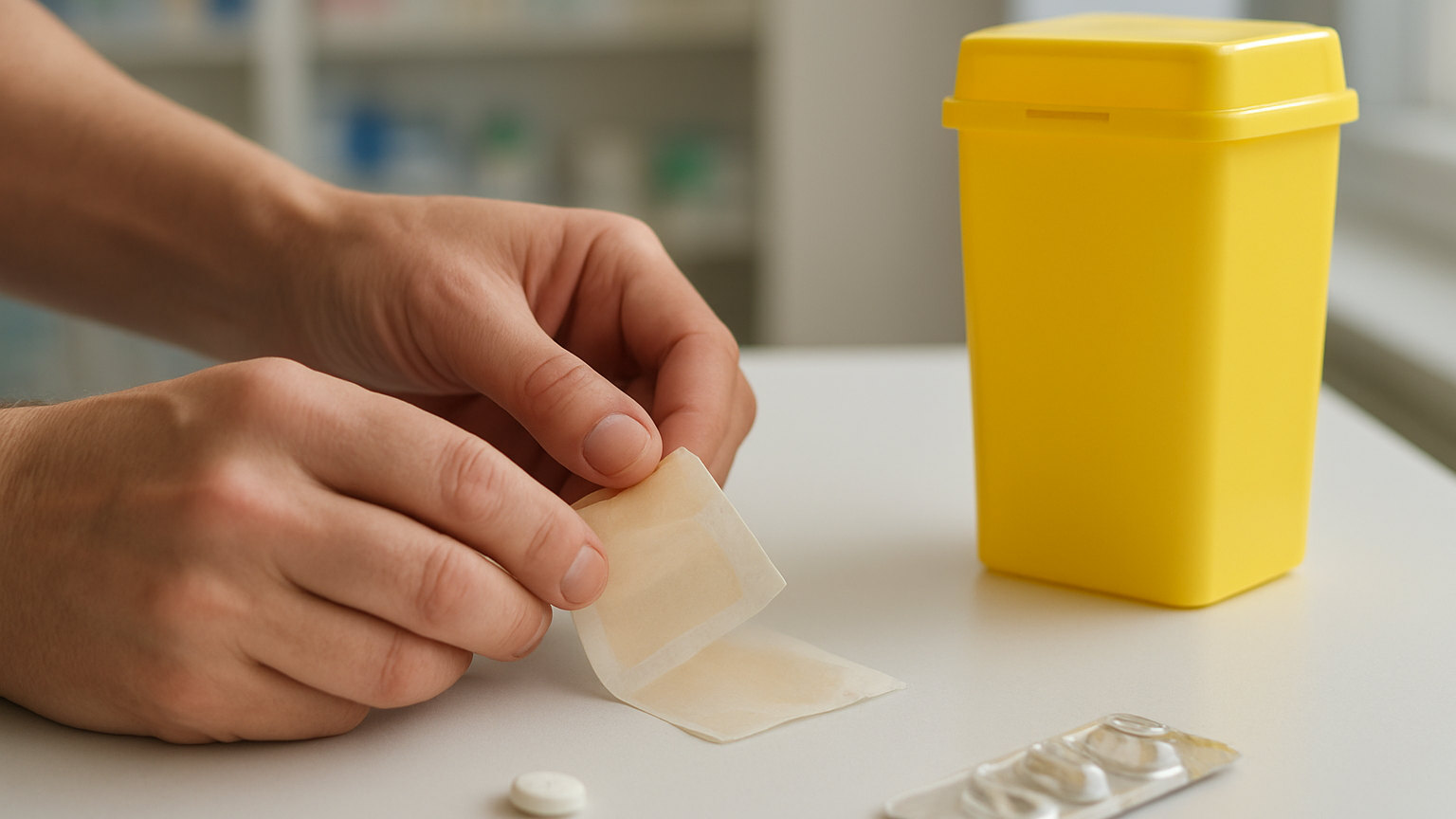
Three different waste streams come out of one paper bag, and the label is the one people forget.
The needle you cannot dispose of is the one you are holding somewhere unfamiliar.