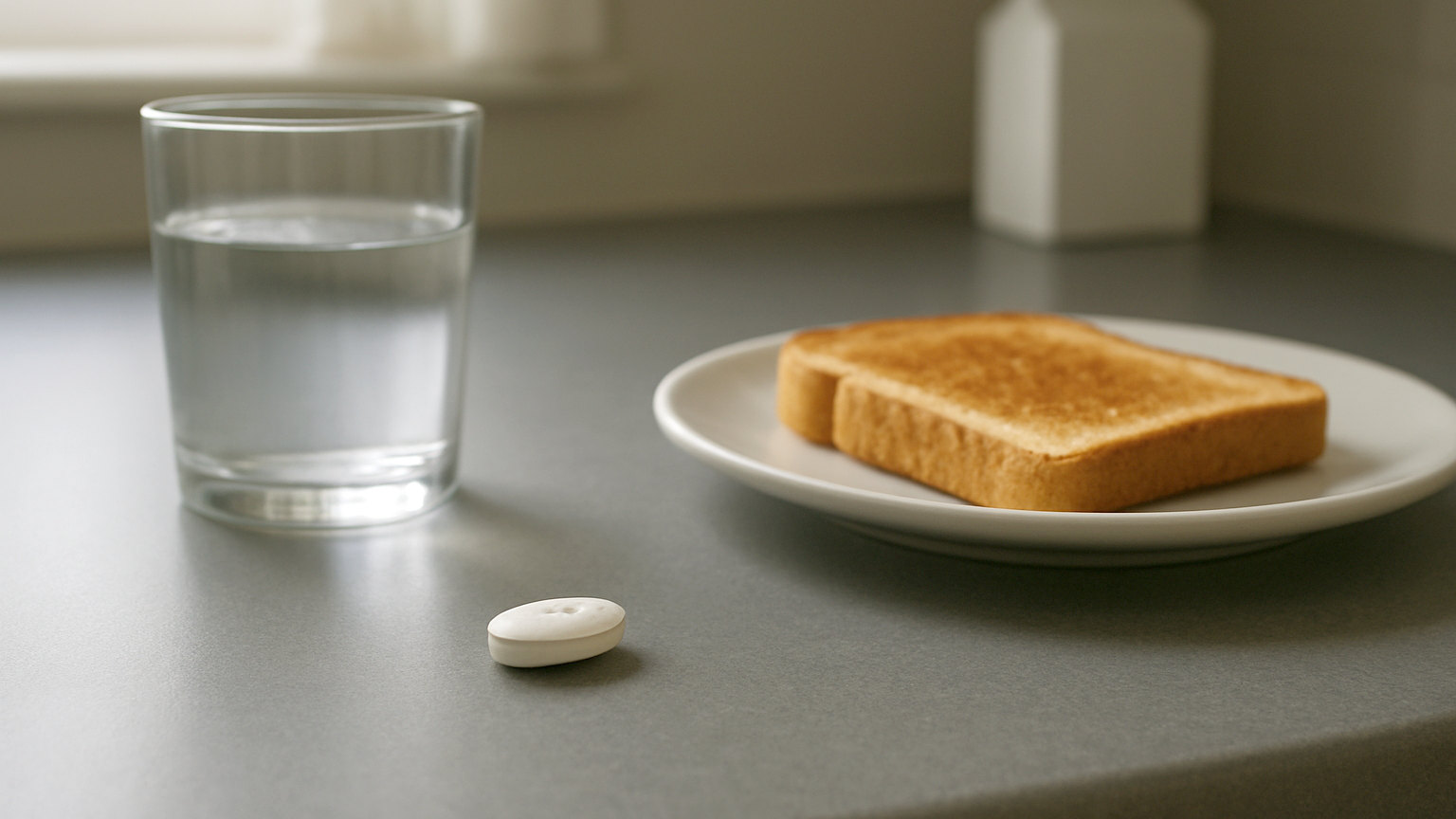
Medicines That Change What You Can Eat
Most dietary warnings are about being consistent rather than avoiding something.
By Prescription Medicines Editorial
16 Jan 2025

The practical half of the problem. Not what the medicine does, but the ordinary questions that come up at nine in the evening when the leaflet does not cover them: does this need food, what happens if I forgot yesterday, can I keep it in the bathroom, and can I fly with it. Where the honest answer is "it depends on the medicine", we say so.
Most dietary warnings are about being consistent rather than avoiding something.
The commonest harm is not a missed dose but the same dose taken twice.
The same rule applies to a bottle of vitamins as to a prescription.
The procedure gets planned in detail. The aftercare usually does not.
It drops blood pressure tonight and raises it over years, which is why the advice sounds contradictory.
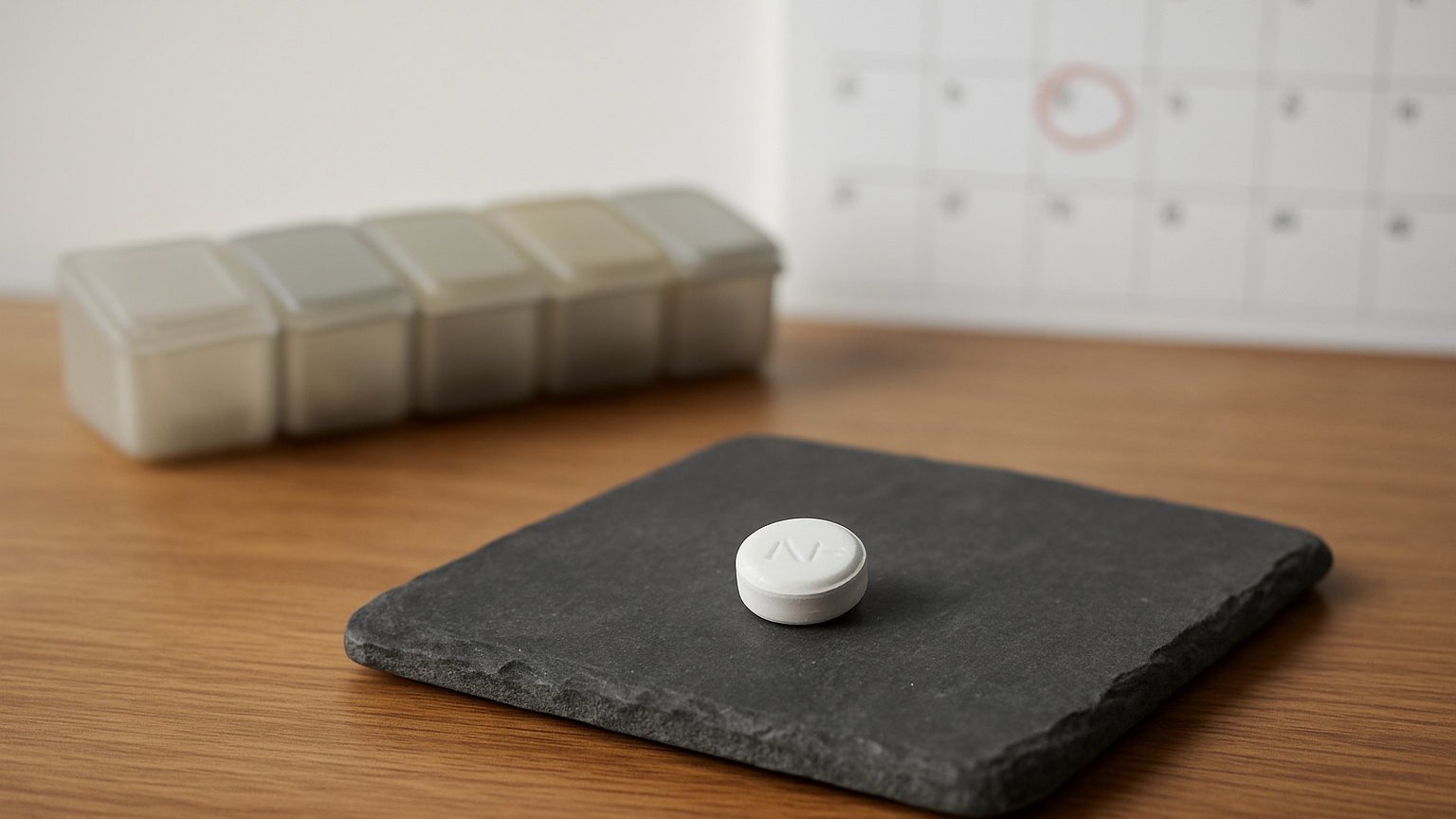
The longer the gap between doses, the easier it is to forget - and the more dangerous doubling up becomes.
Doses set at one weight may be wrong at another, and the changes need planning rather than discovering.
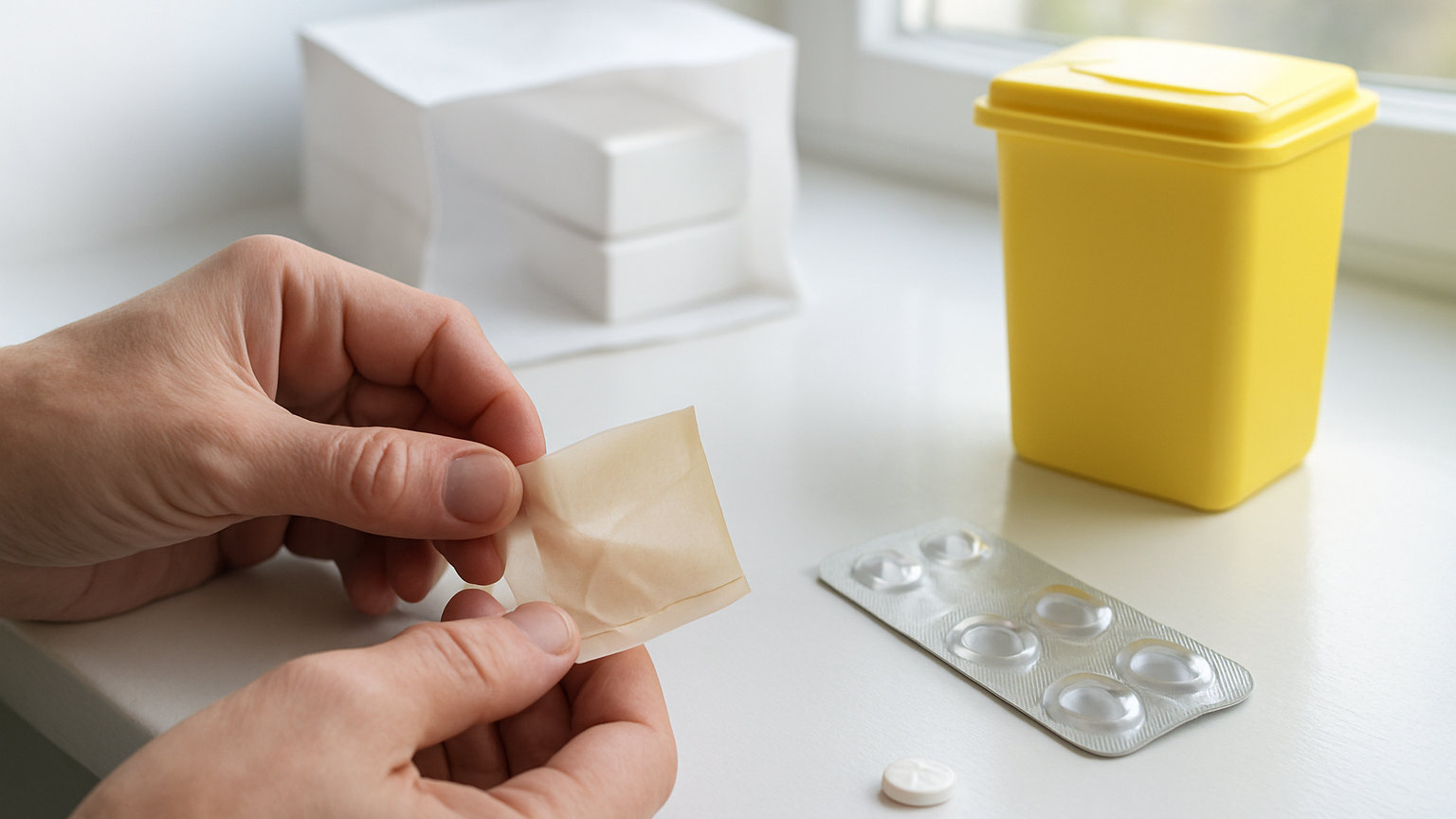
Some tablets are hazardous to the person handling them as well as active in the person taking them.
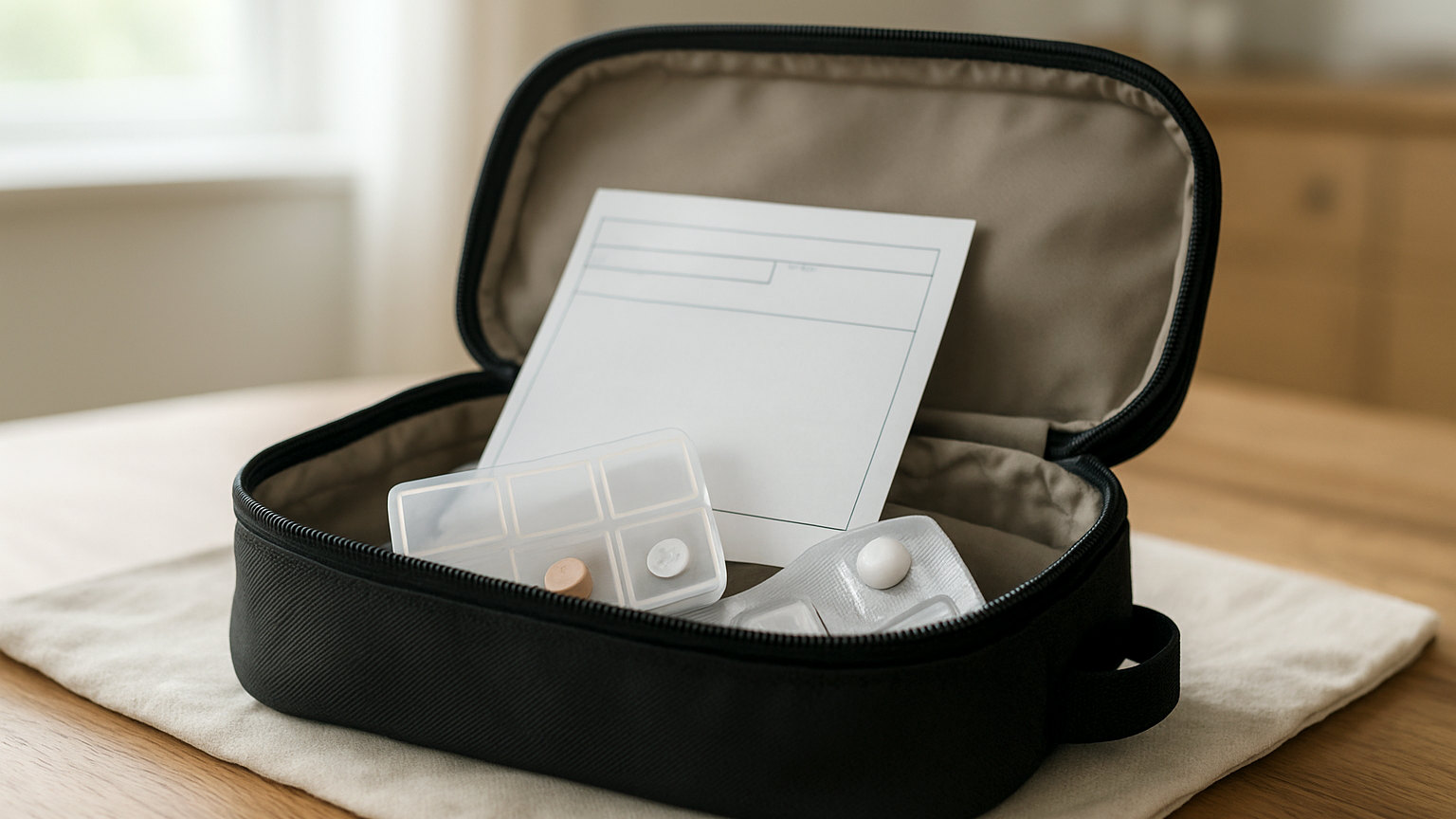
No pharmacy, a charged-for medical centre, and a new time zone every few days.
Paracetamol is lethal to a cat, and dogs will eat anything that falls on the floor.
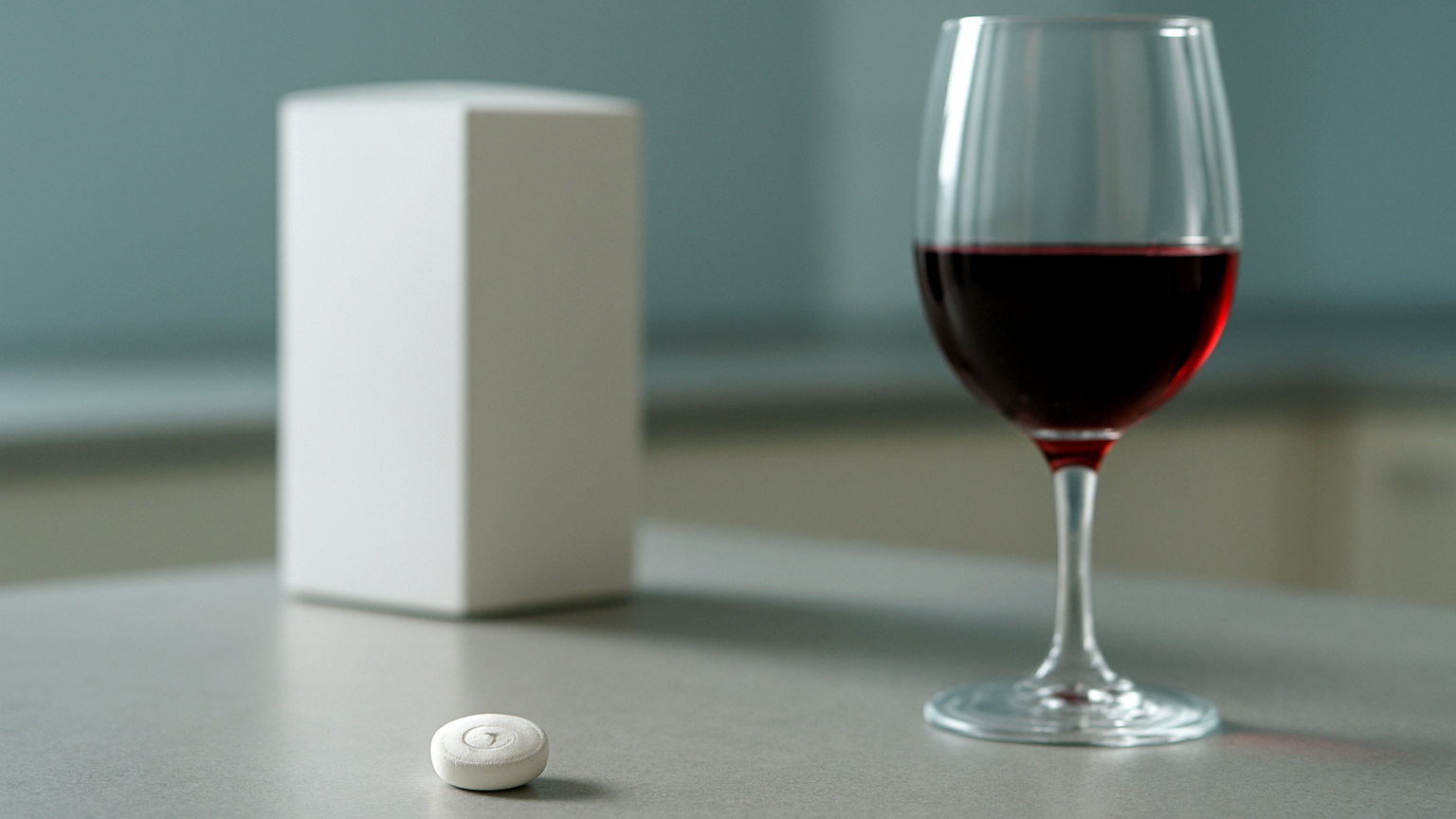
The hypo comes hours after the last drink, which is why it happens in someone's sleep.