Medicines and the Environment
The biggest environmental cost of medicines is the ones nobody takes.
By Prescription Medicines Editorial
11 Jul 2025

The practical half of the problem. Not what the medicine does, but the ordinary questions that come up at nine in the evening when the leaflet does not cover them: does this need food, what happens if I forgot yesterday, can I keep it in the bathroom, and can I fly with it. Where the honest answer is "it depends on the medicine", we say so.
The biggest environmental cost of medicines is the ones nobody takes.
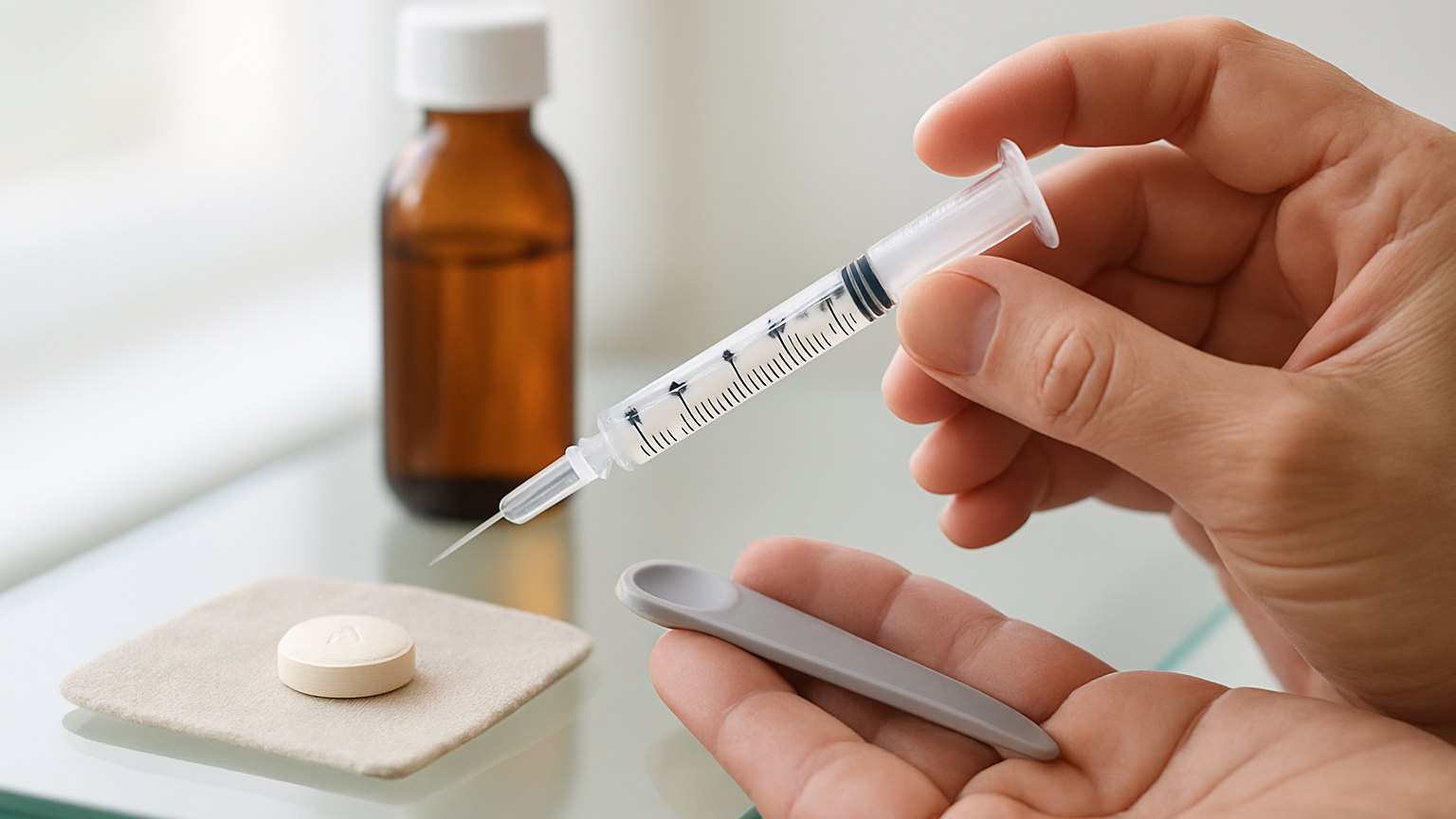
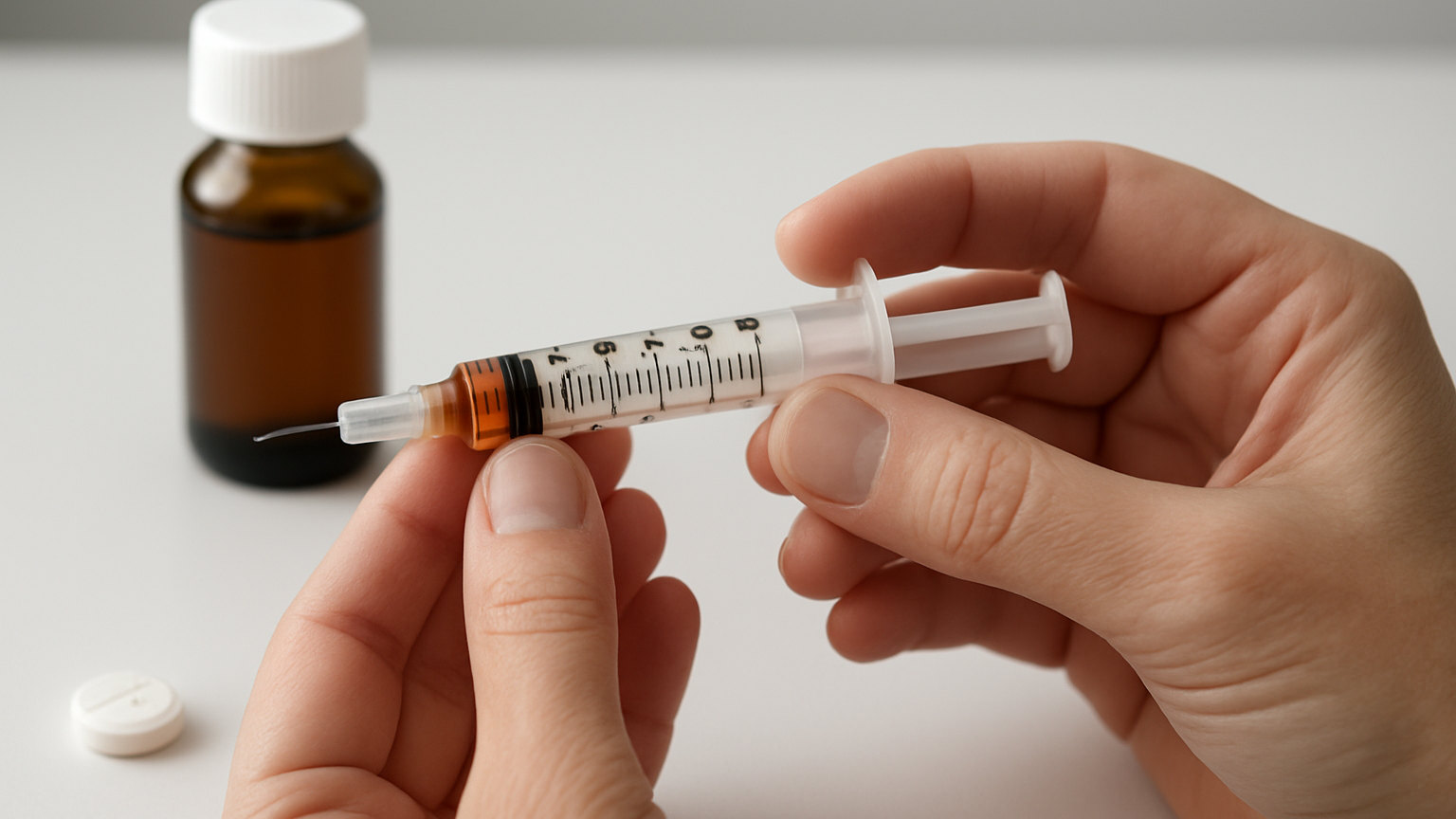
Most mistakes with children's medicines are not about the drug. They are about the spoon.
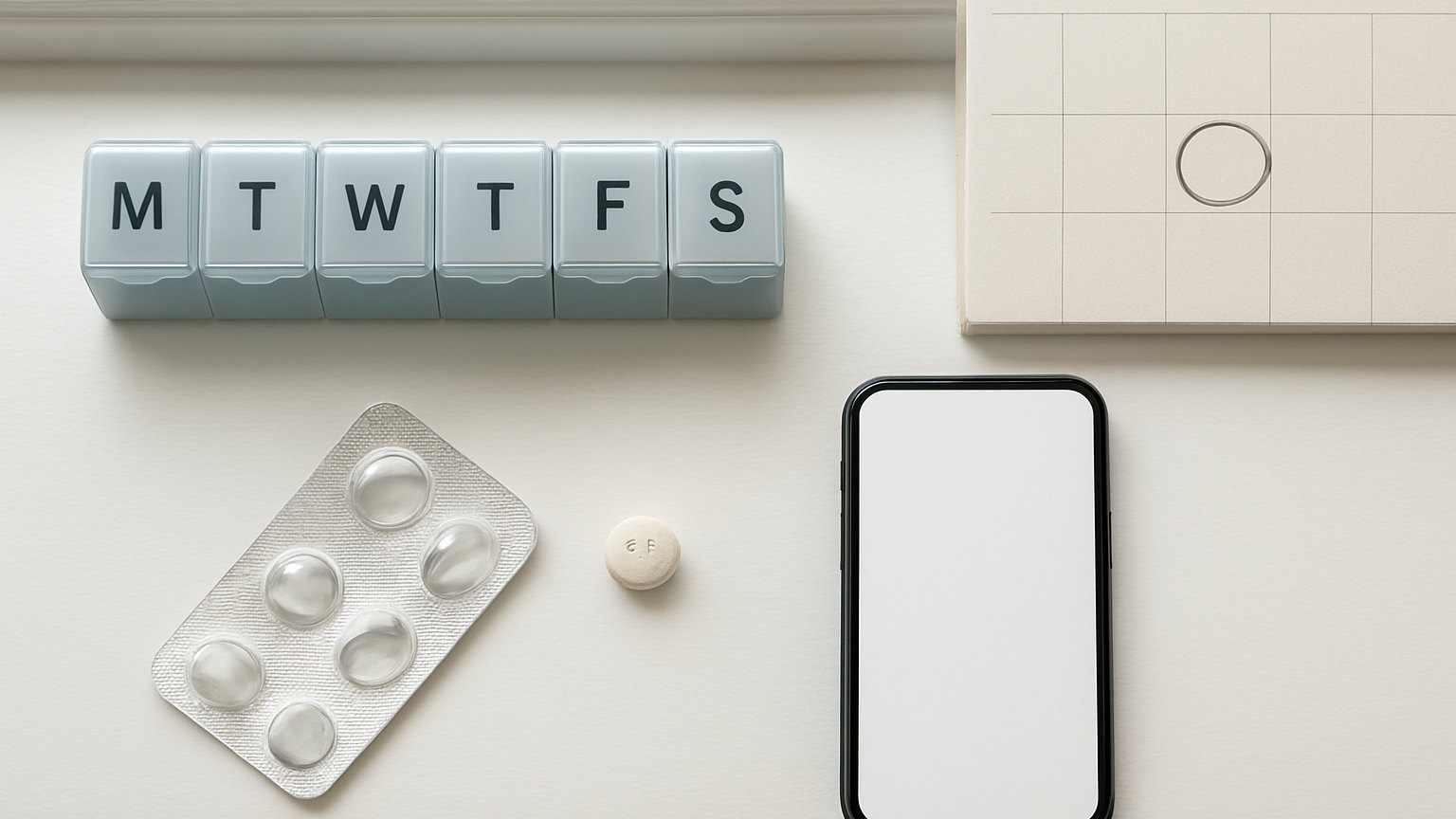
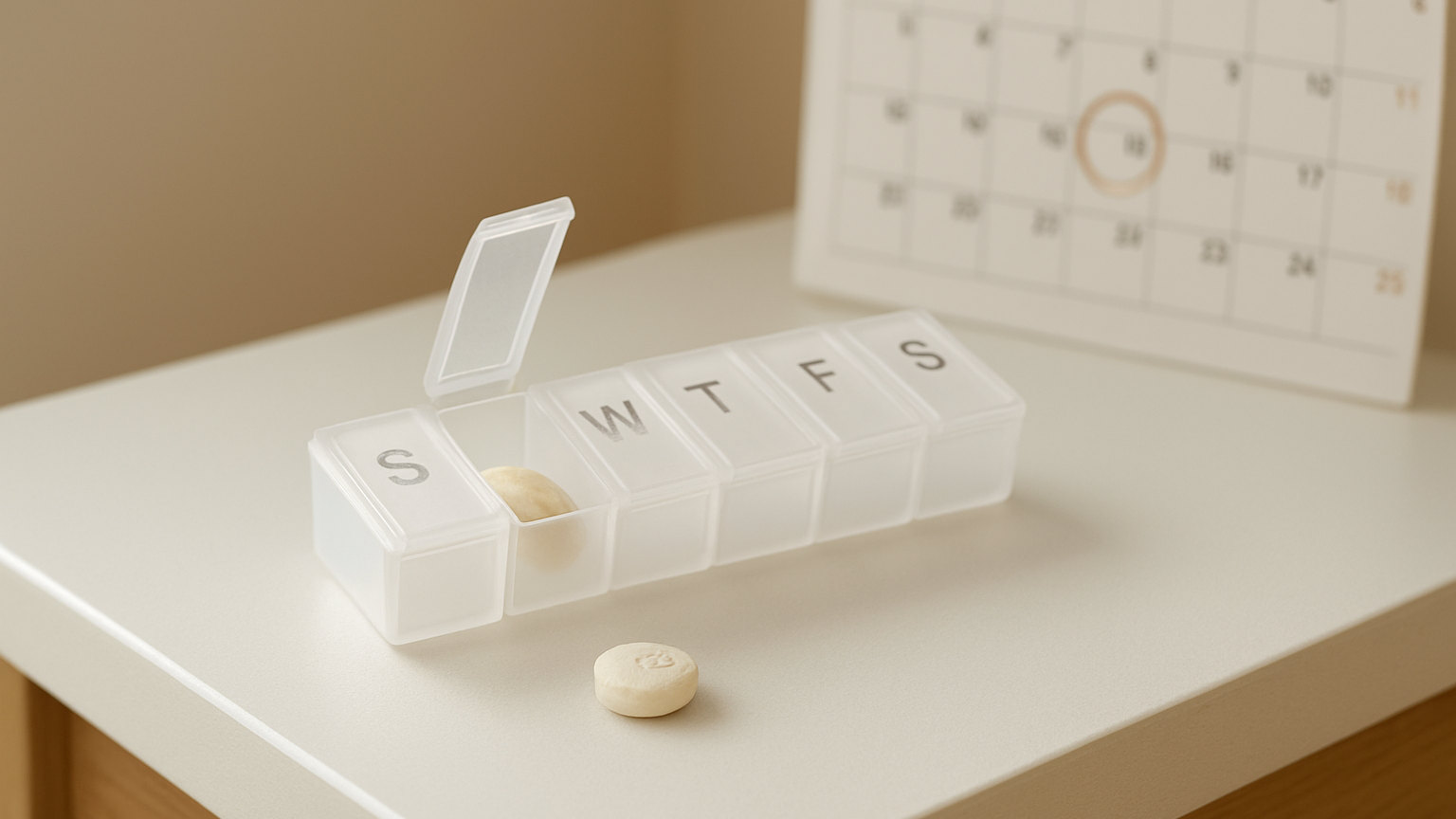
Two questions decide it: how long ago, and which medicine. Repeating the wrong one is worse than missing it.
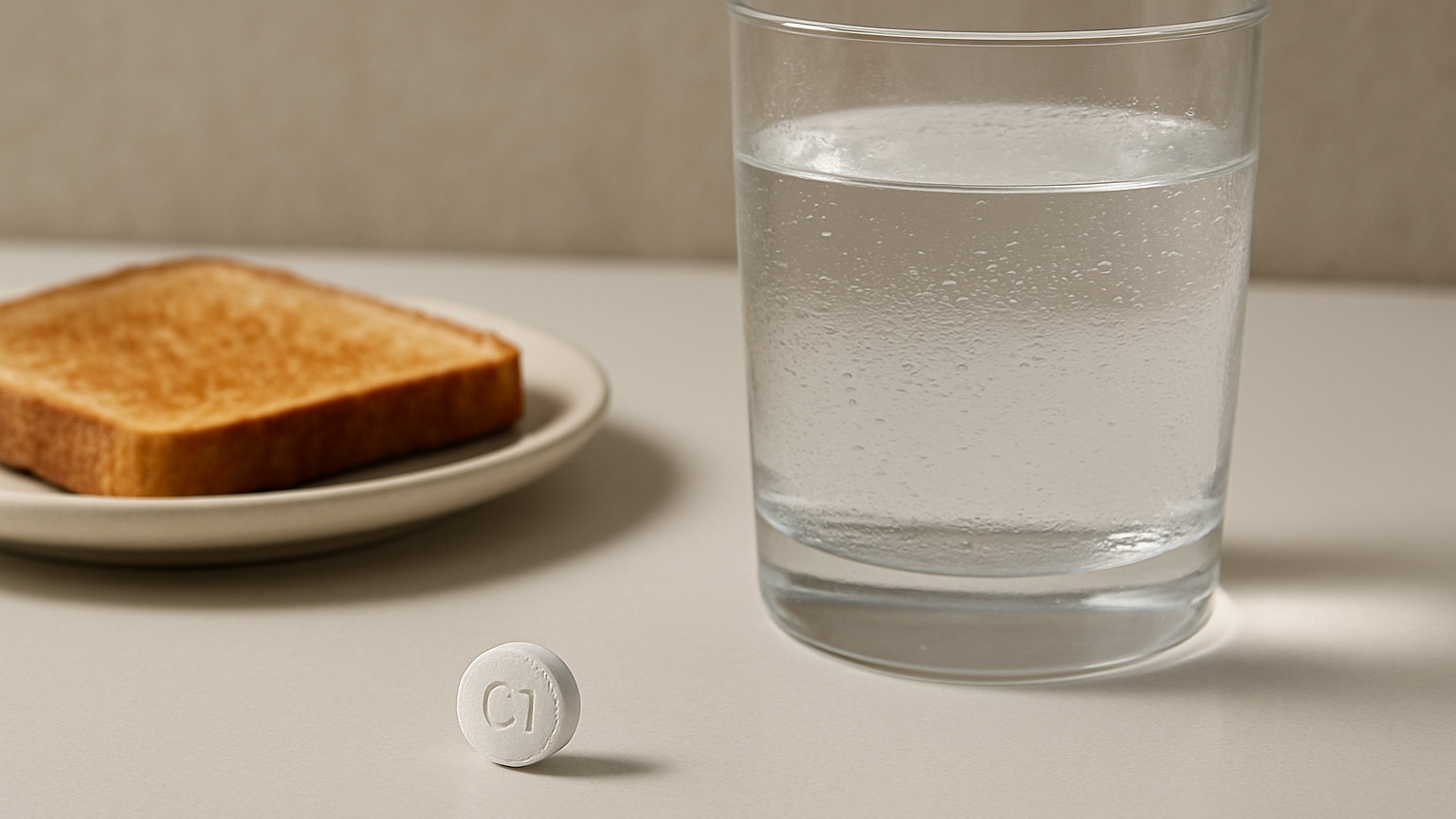
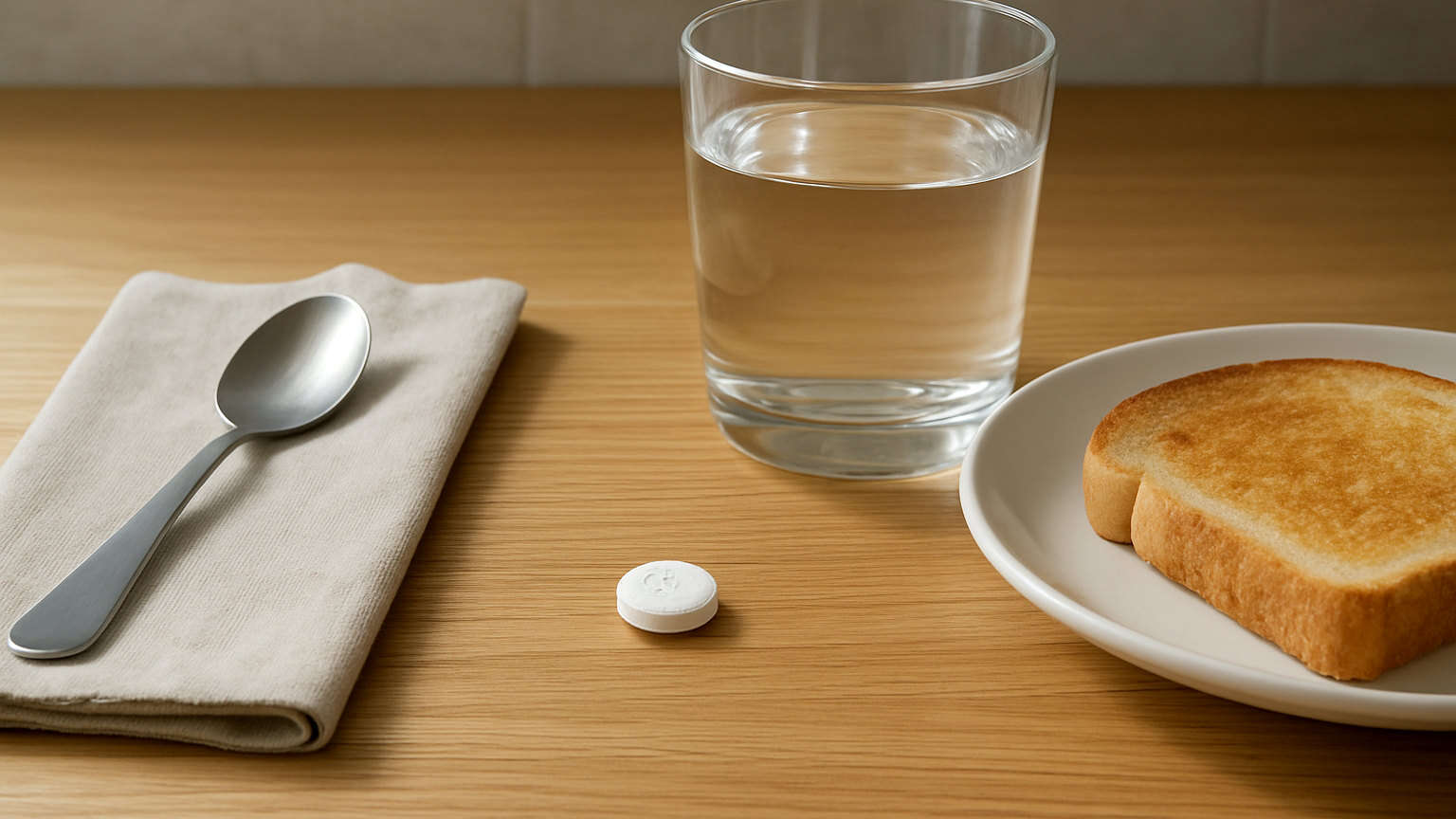
It does not mean simply before breakfast. It means a defined gap on both sides, and for some medicines the gap is the treatment.
Some medicines tell you they have failed. The dangerous ones look exactly the same as they always did.
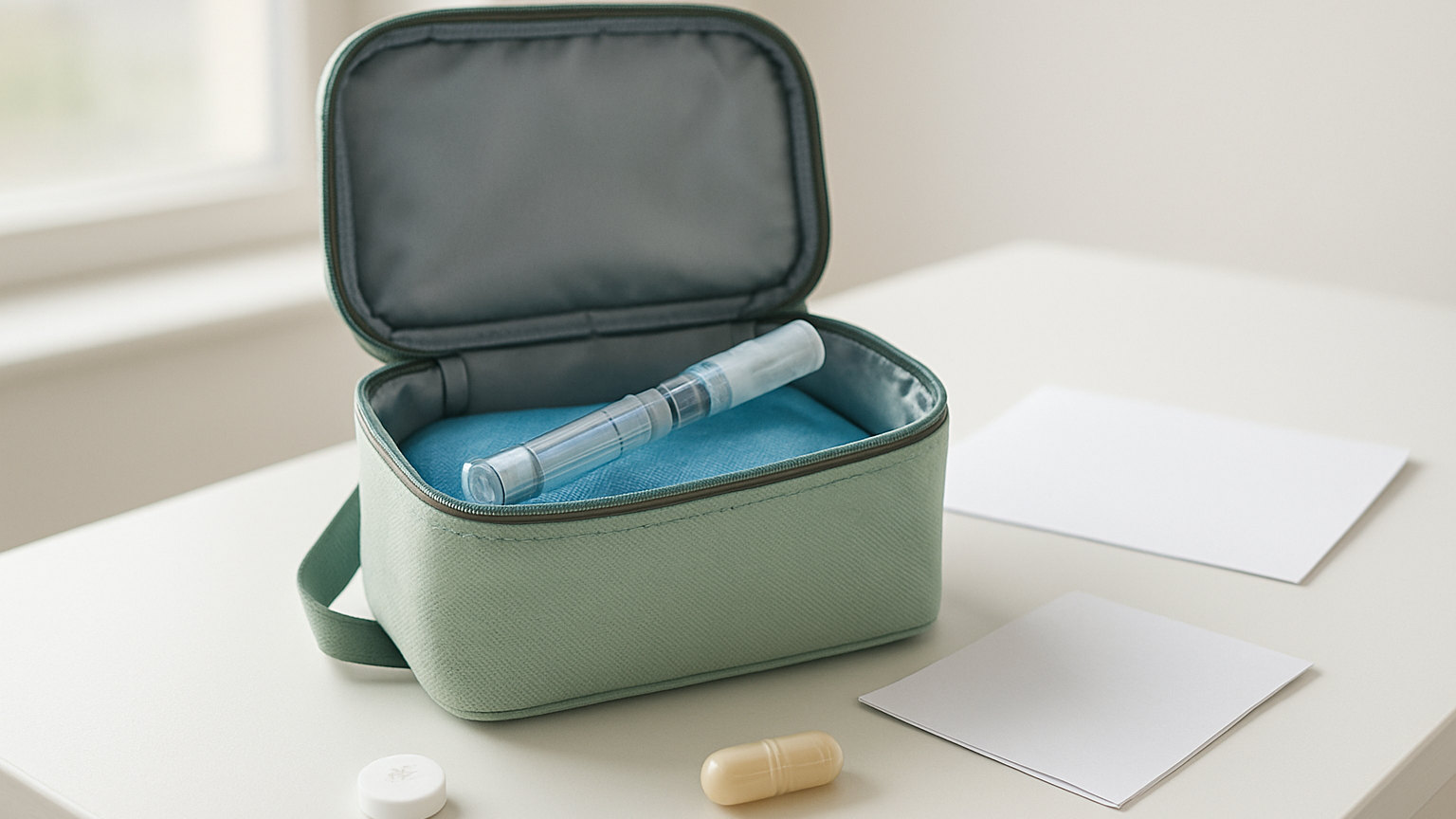
The two things that ruin refrigerated medicines on holiday are the aircraft hold and the hotel minibar.
Three habits account for most of what goes wrong, and none of them is about aiming the needle.
Whether a few hours matters depends almost entirely on how long the medicine lasts.
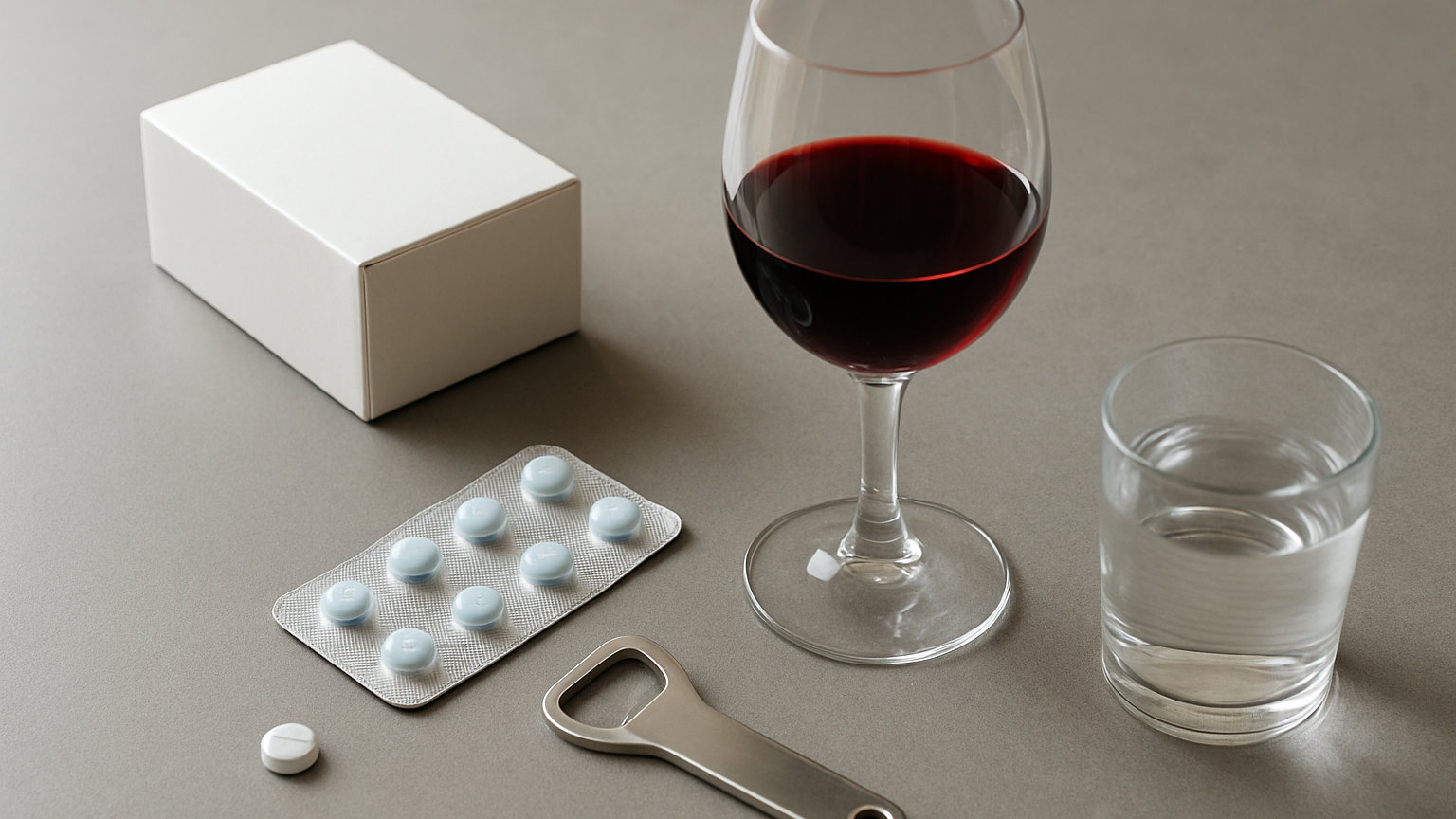
The pharmacology is only half of it. Alcohol also works directly against what the medicine is treating.
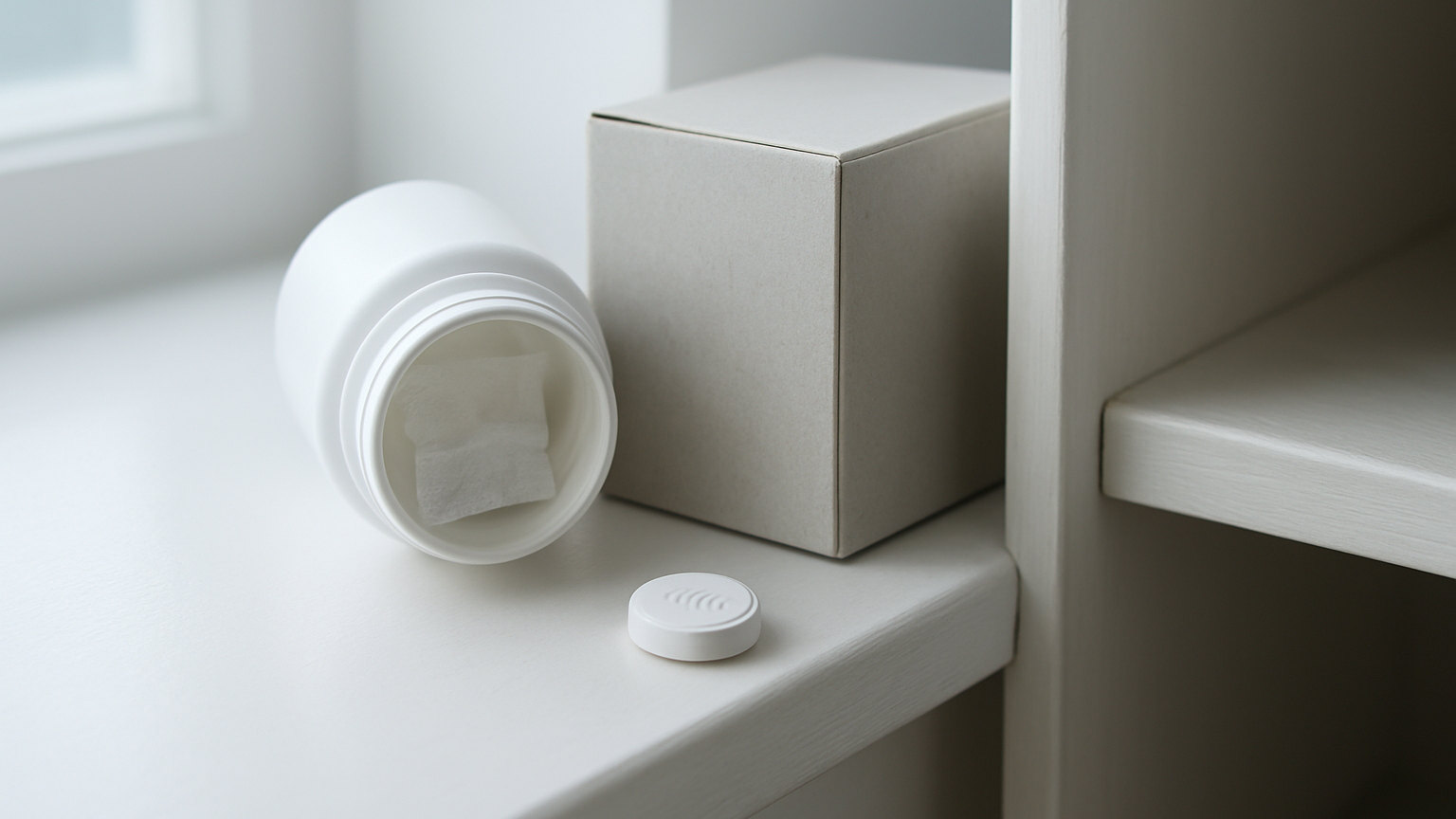
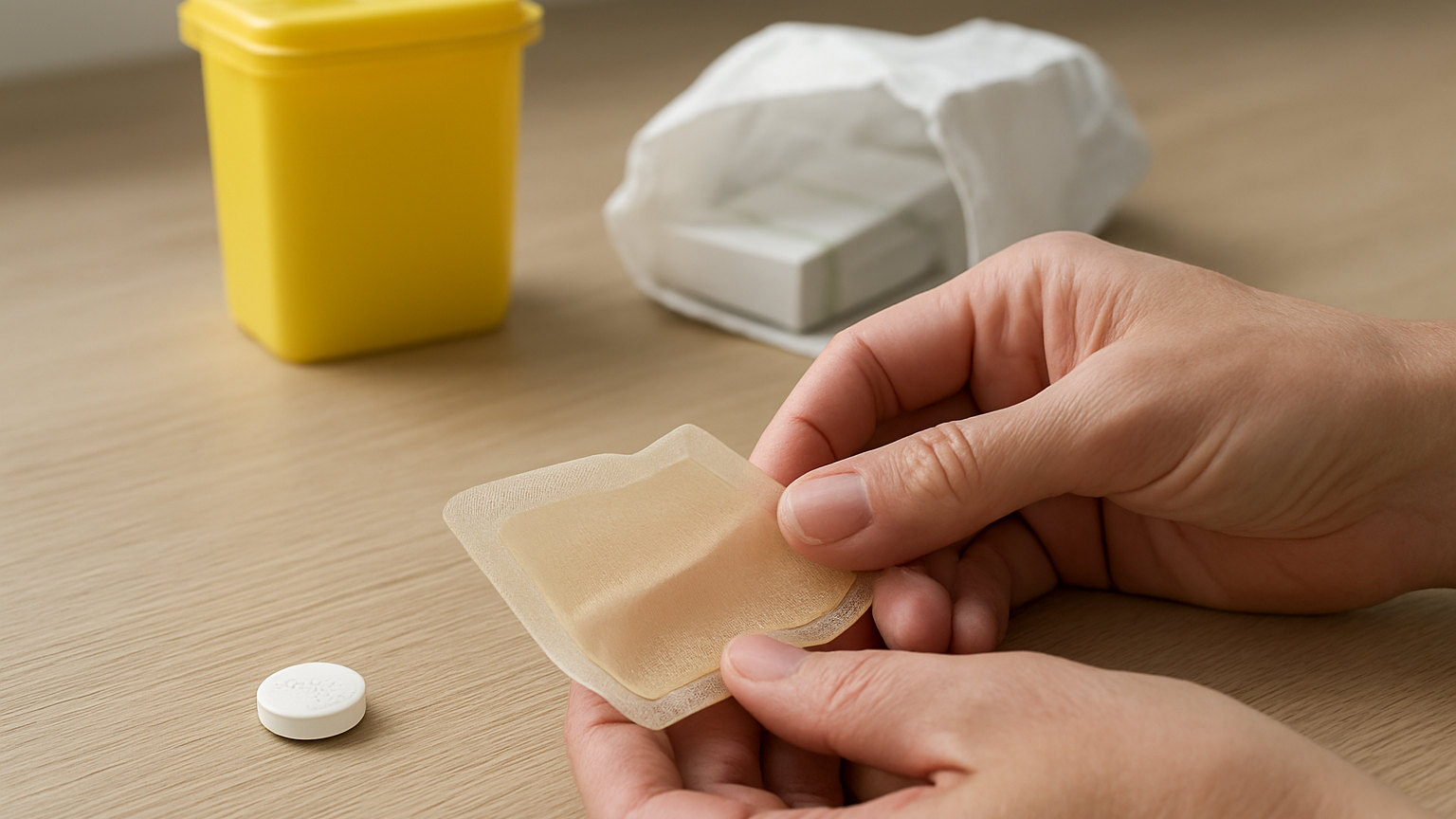
A used patch is not an empty wrapper, and a nearly empty tube is not harmless.
Several interactions are purely physical, and the entire fix is a gap of a couple of hours.
An awkward route that works well, and fails mostly for reasons that are easy to fix.