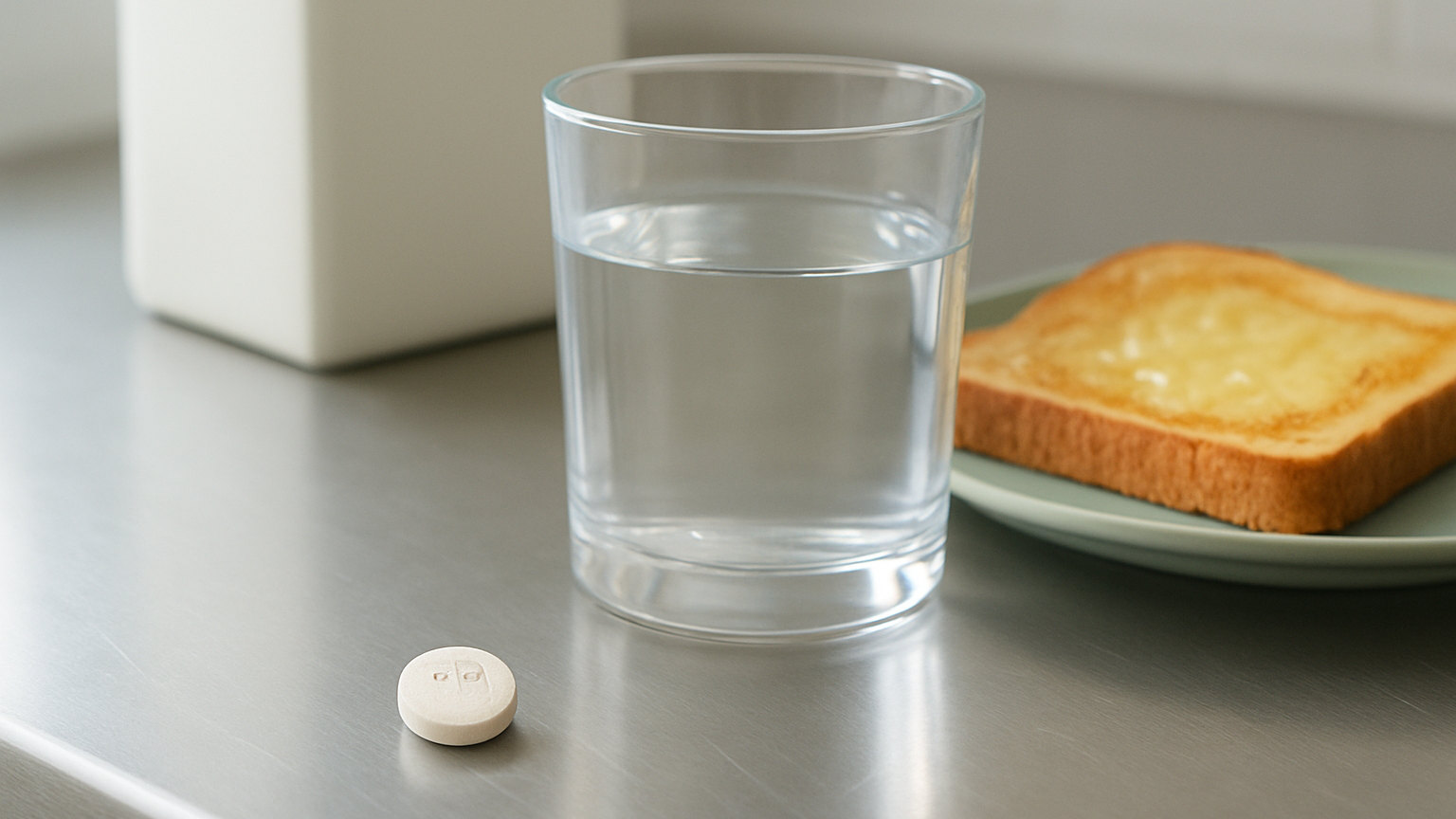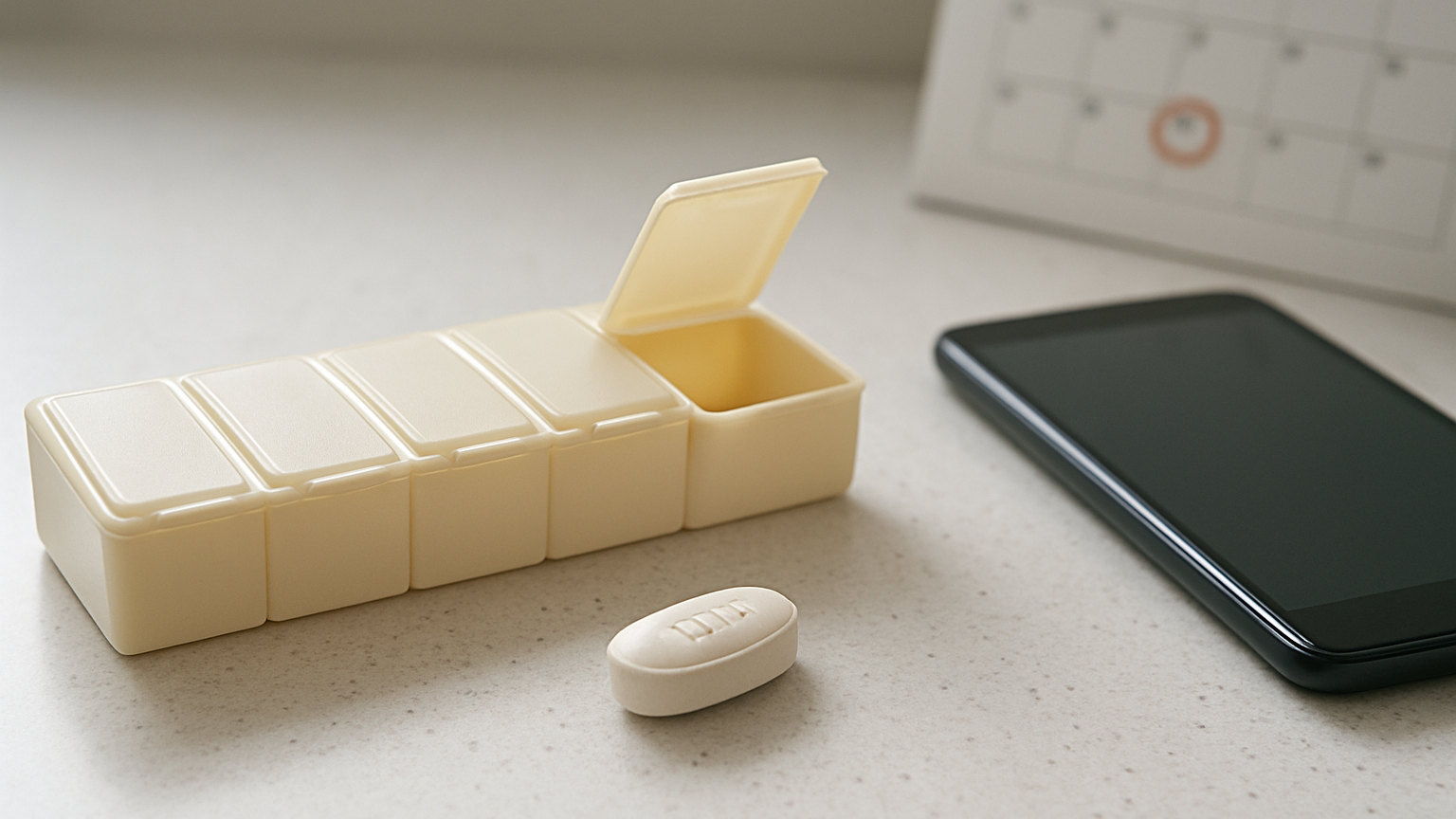
Did I Take It? What to Do
The honest answer is usually to skip it, and the better answer is to make the question impossible next time.
By Prescription Medicines Editorial
1 Jun 2025

The practical half of the problem. Not what the medicine does, but the ordinary questions that come up at nine in the evening when the leaflet does not cover them: does this need food, what happens if I forgot yesterday, can I keep it in the bathroom, and can I fly with it. Where the honest answer is "it depends on the medicine", we say so.
The honest answer is usually to skip it, and the better answer is to make the question impossible next time.
Gelatine, lactose and stearates are everywhere in medicines, and pharmacists are rarely asked about them.
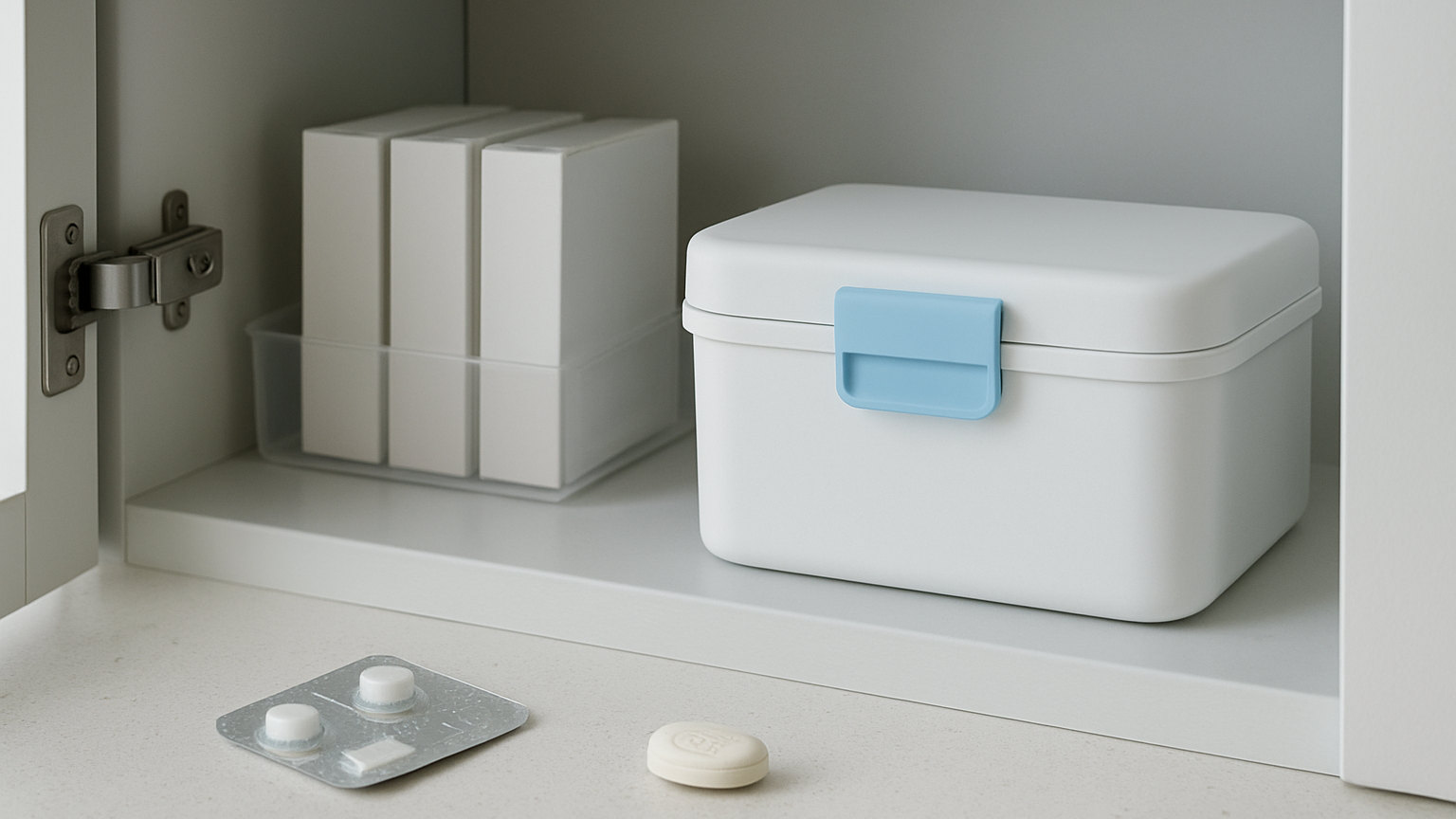
A cupboard that is safe when you live alone stops being safe the moment someone else has a key.
Something available over the counter here can be a serious criminal matter somewhere else.
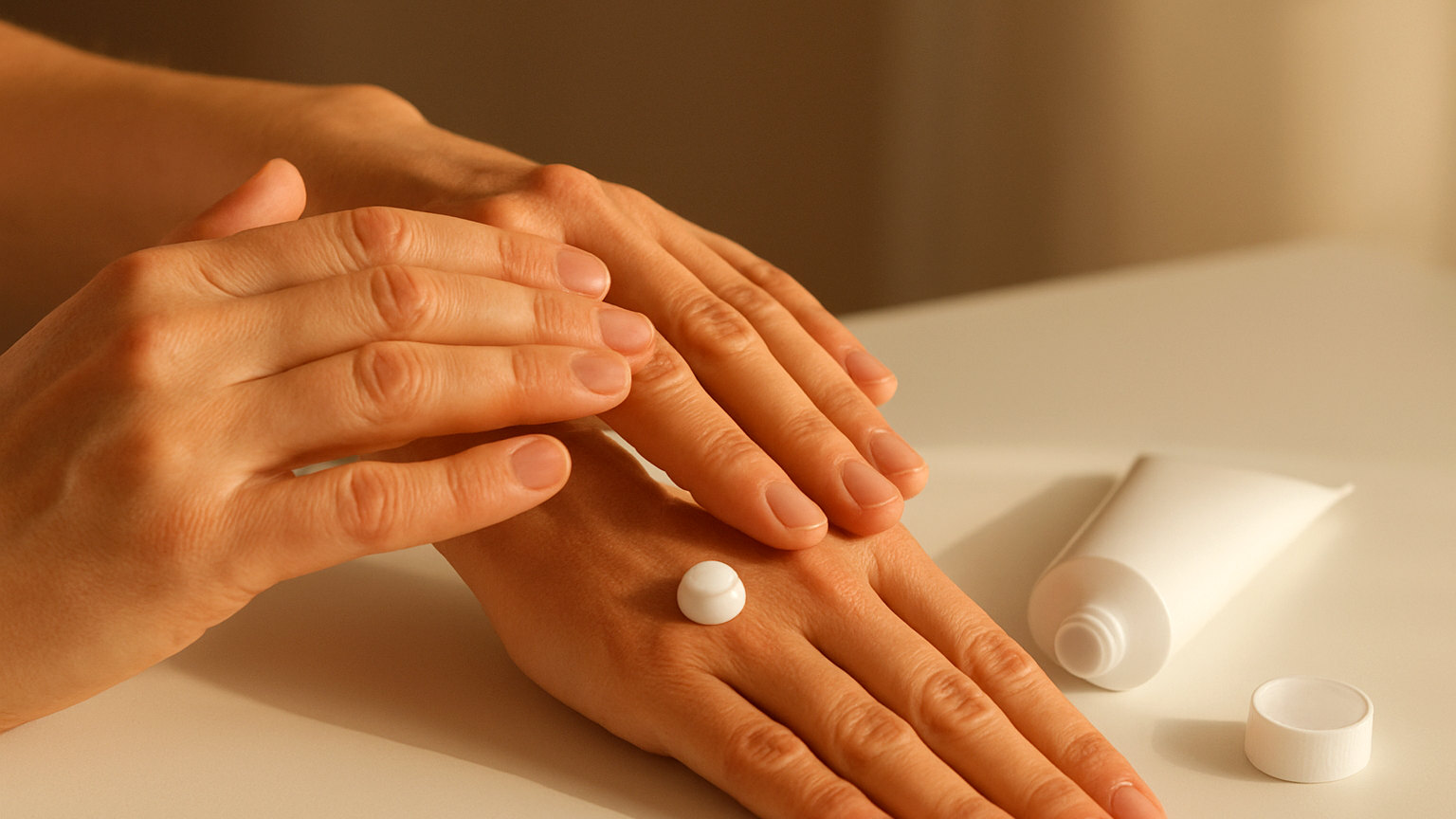
The commonest reason a cream does not work is that not enough of it was used.
Some medicines follow the clock and some follow your body. Knowing which is which makes shifts manageable.
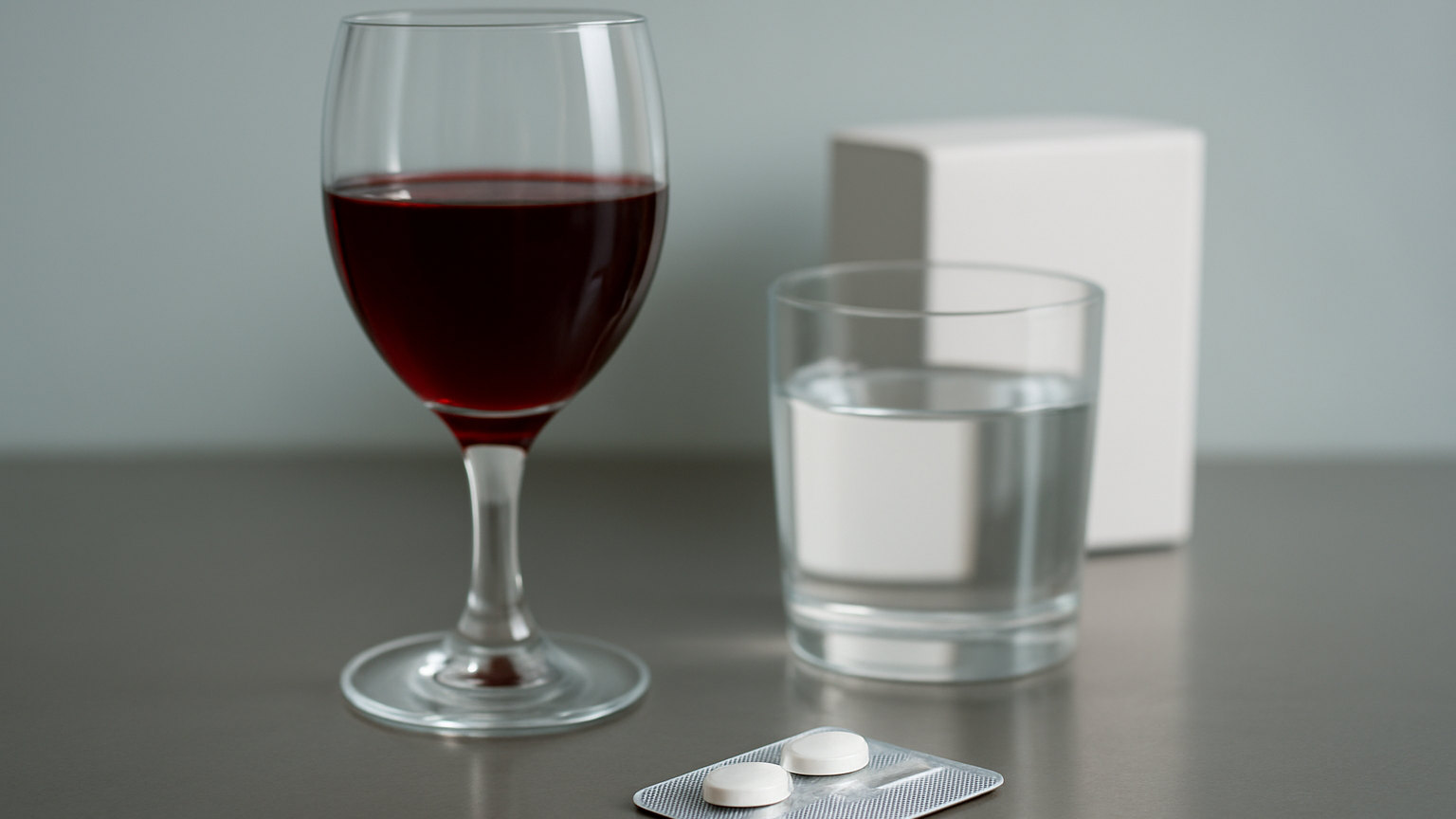
Ethanol is a common ingredient in medicines, and for a few people that matters a great deal.
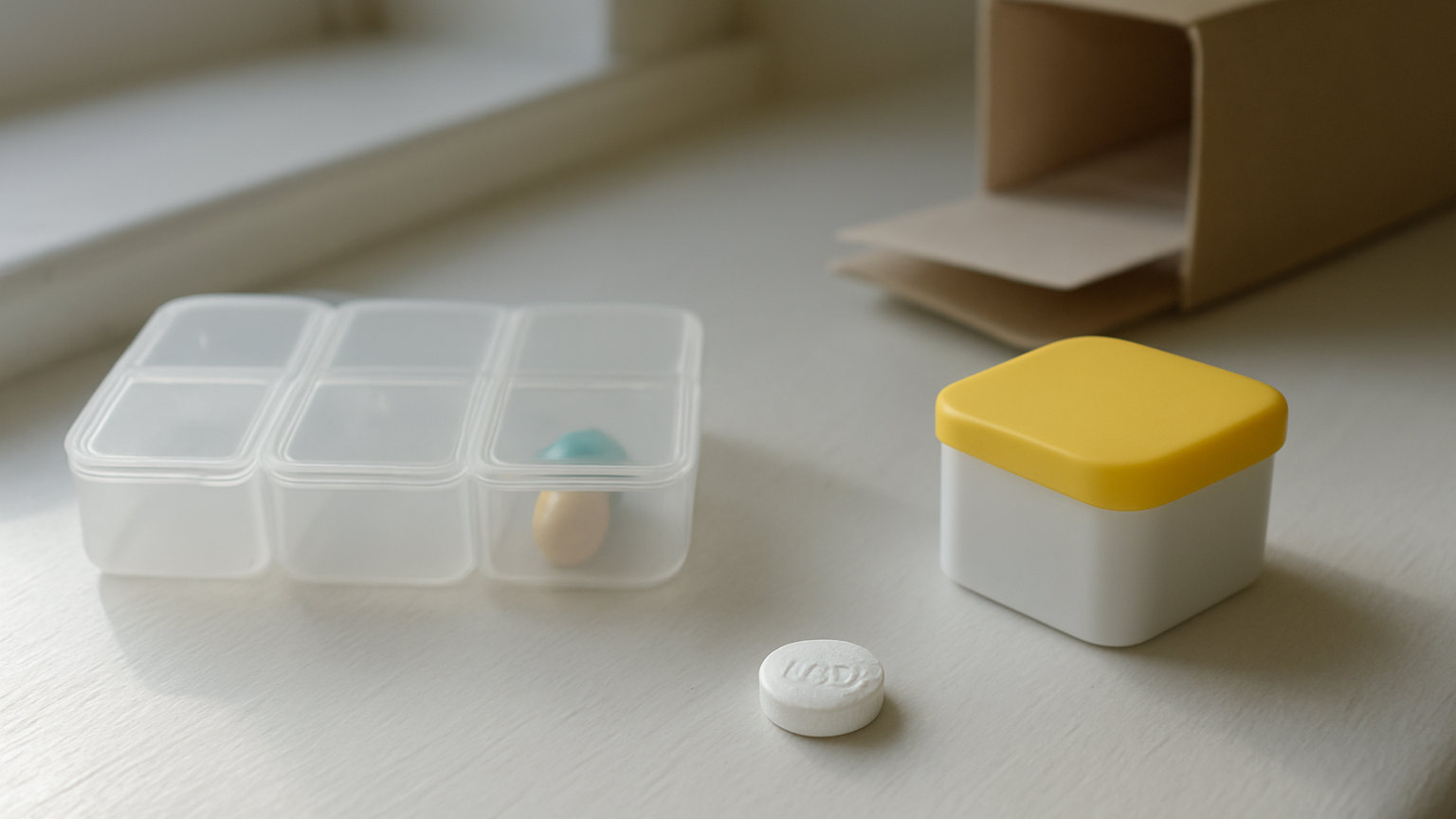
Packaging is a common and rarely mentioned reason people stop taking their medicines.
Dehydration turns several ordinary medicines into a problem, and it usually happens during an illness nobody thought was serious.
A nebuliser feels like stronger treatment, and reaching for one can delay the help you actually need.
Taken too late they do not work, and how often you reach for them is a measurement nobody collects.
Almost every rule here exists because someone blocked a tube or gave a whole day's dose at once.